PU Sandwich Panel Line Is Compatible With Flexible Coupling For Stable Force Transmission
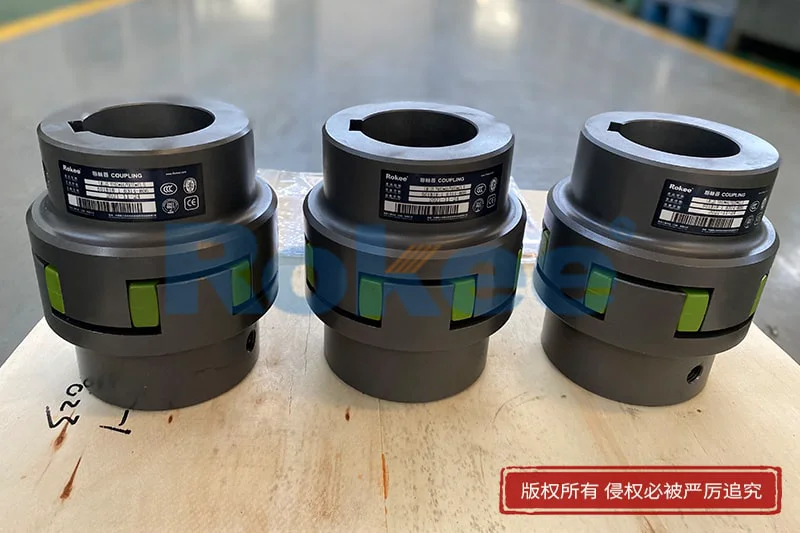
In the modern construction and manufacturing industry, polyurethane (PU) sandwich panels have become an indispensable material due to their excellent thermal insulation, structural stability, light weight, and durability. These panels, composed of two outer facings and a rigid PU foam core, are widely used in industrial plants, warehouses, prefabricated buildings, cold storage facilities, and various other applications, driving the continuous development and upgrading of PU sandwich panel production technology. The PU sandwich panel line is a complex integrated system that integrates multiple mechanical, electrical, and chemical processes, requiring precise coordination between each component to ensure efficient and stable production. Among the numerous components that constitute the production line, the transmission system plays a pivotal role, as its stability directly determines the quality of the final products, production efficiency, and the service life of the equipment. In recent years, flexible coupling has gradually become the preferred choice for the transmission system of PU sandwich panel lines, thanks to its unique structural design and excellent performance, which perfectly matches the operational characteristics of the production line and achieves stable force transmission, thus promoting the overall optimization of the production process.
To understand the compatibility between the PU sandwich panel line and flexible coupling, it is first necessary to clarify the working principle and operational characteristics of the PU sandwich panel line. The PU sandwich panel line is a continuous or semi-continuous production system that typically includes processes such as uncoiling of facing materials, leveling, pre-treatment, foam mixing and pouring, lamination, curing, trimming, and cutting. Each process is closely connected, and the power required for the operation of each equipment unit needs to be transmitted accurately and stably through the transmission system. The production line operates in a high-load, long-term continuous working state, and the transmission system is required to have strong load-bearing capacity, good stability, and the ability to adapt to subtle changes in the working environment. For example, during the uncoiling and leveling process of the facing materials, the transmission system needs to provide stable torque to ensure that the facing materials are fed at a uniform speed, avoiding wrinkles or deformation caused by uneven force; in the foam mixing and pouring unit, the precise transmission of power ensures that the mixing ratio of polyol and isocyanate is accurate, and the pouring speed is stable, which is crucial for the formation and performance of the PU foam core. Any instability in the transmission system will lead to deviations in the production process, resulting in unqualified products, such as uneven panel thickness, poor bonding between the core and the facings, or even equipment failure, which will bring significant economic losses to the enterprise.
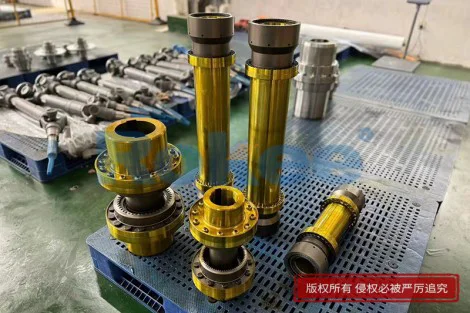
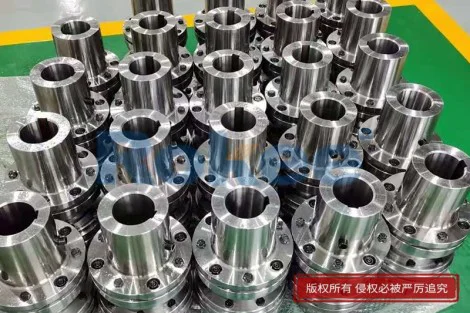
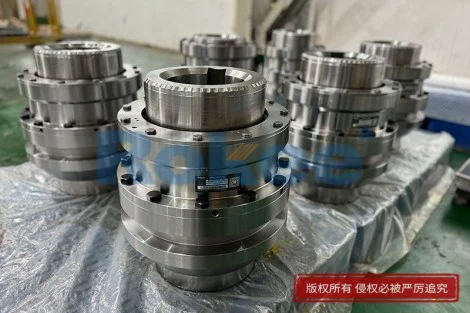
Flexible coupling, as a key component in mechanical transmission, is a device used to connect two shafts at their ends for the purpose of transmitting power, while allowing for a certain degree of misalignment, end movement, or vibration damping. Unlike rigid coupling, which requires strict alignment between the two shafts and cannot compensate for any misalignment, flexible coupling achieves flexible connection through its internal flexible components, which can effectively absorb vibration, compensate for axial, radial, and angular misalignments between the shafts, and ensure stable force transmission even under complex working conditions. This unique performance makes flexible coupling highly compatible with the PU sandwich panel line, as it can perfectly address the challenges faced by the transmission system of the production line.
One of the key reasons for the good compatibility between the PU sandwich panel line and flexible coupling is that flexible coupling can effectively compensate for the shaft misalignment caused by the installation and operation of the production line. The PU sandwich panel line is composed of multiple modular units, and due to the limitations of the production process and equipment layout, it is difficult to ensure that the shafts of all equipment units are perfectly aligned during installation. In addition, during long-term continuous operation, the equipment will generate vibration and thermal expansion, which will further lead to changes in the relative position of the shafts, resulting in misalignment. If rigid coupling is used, the misalignment will cause additional radial force and bending moment on the shafts and bearings, increasing wear and tear of the equipment, reducing the service life of the transmission system, and even leading to equipment failure. In contrast, flexible coupling can compensate for these misalignments through the elastic deformation of its internal components, such as rubber sleeves, metal bellows, or helical beams, thereby reducing the additional load on the shafts and bearings, ensuring the stable operation of the transmission system, and extending the service life of the equipment. For example, beam coupling, a type of flexible coupling, uses a single piece of material with a spiral-shaped flexible beam, which can allow for angular misalignment, parallel offset, and even axial motion between the two shafts, making it suitable for the connection between the motor and the uncoiling device of the PU sandwich panel line, where slight misalignment is inevitable.
Another important factor that enhances the compatibility is the vibration damping performance of flexible coupling, which is highly consistent with the operational needs of the PU sandwich panel line. The PU sandwich panel line generates a certain amount of vibration during operation, especially in the foam mixing and pouring unit and the cutting unit. The high-pressure mixing head of the foam mixing unit generates vibration when mixing raw materials, and the cutting machine generates impact vibration when cutting the formed panels. These vibrations, if not effectively damped, will be transmitted to the entire transmission system and even the entire production line, affecting the stability of the equipment and the quality of the products. For example, excessive vibration may cause the pouring head to deviate, resulting in uneven distribution of the PU foam core, leading to inconsistent panel thickness and poor structural stability. Flexible coupling can absorb and dampen these vibrations through its flexible components, reducing the transmission of shock loads from one shaft to another, thereby reducing the impact of vibration on the production line. For instance, elastomeric flexible couplings, such as jaw couplings with a flexible spider element, can effectively absorb vibration and shock, ensuring that the power transmission process is stable and smooth, and protecting the precision components of the production line from damage.
The stable torque transmission performance of flexible coupling also plays a crucial role in the compatibility with the PU sandwich panel line. The production process of PU sandwich panels requires the transmission system to provide stable and uniform torque to each equipment unit. For example, the lamination process requires the transmission system to drive the conveyor belt at a constant speed to ensure that the PU foam core is fully bonded with the outer facings under uniform pressure; the cutting process requires precise torque control to ensure that the cutting blade operates stably, avoiding uneven cutting or damage to the panel edges. Flexible coupling can transmit torque stably even under varying load conditions, as its flexible components can adjust the torque transmission according to the load changes, avoiding torque fluctuations. Unlike some torque-limiting couplings that may slip when the torque exceeds a certain limit, high-quality flexible couplings can maintain stable torque transmission within the rated load range, ensuring that each process of the production line operates at a consistent speed and pressure. This stable torque transmission is particularly important for the foam curing process, as the curing time and temperature are strictly required, and any speed fluctuation may affect the curing effect of the PU foam, leading to reduced panel strength and thermal insulation performance.
In addition, the flexibility and adaptability of flexible coupling also make it suitable for the diverse operational needs of the PU sandwich panel line. The PU sandwich panel line needs to produce panels of different specifications and sizes according to market demand, which requires the production line to have a certain degree of adjustability. Flexible coupling can adapt to the adjustment of the transmission system, as it can accommodate changes in the distance between the shafts and the angle of connection when the equipment is adjusted, without the need for re-alignment of the shafts, which greatly improves the flexibility and efficiency of the production line. For example, when the production line needs to adjust the width of the panels, the position of the uncoiling device and the cutting machine needs to be adjusted, and the flexible coupling can compensate for the changes in the shaft position caused by the adjustment, ensuring that the power transmission is not affected. Moreover, flexible coupling has a simple structure, easy installation and maintenance, which can reduce the maintenance time and cost of the production line. Compared with rigid coupling, which requires precise alignment during installation and is difficult to disassemble and maintain, flexible coupling can be installed and adjusted quickly, and its wearing parts can be replaced easily, which is very suitable for the long-term continuous operation of the PU sandwich panel line, where equipment downtime needs to be minimized.
It is worth noting that the compatibility between the PU sandwich panel line and flexible coupling is not only reflected in the performance matching but also in the adaptability to the working environment. The PU sandwich panel line is usually used in industrial workshops, where the environment may be dusty, have a certain temperature range, and even have corrosive gases in some cases. Flexible coupling can be made of different materials according to the working environment, such as aluminum alloy, stainless steel, or acetal, to ensure its corrosion resistance, wear resistance, and high-temperature resistance. For example, in workshops with high humidity or corrosive gases, stainless steel flexible couplings can be used to avoid rust and corrosion, ensuring long-term stable operation. In addition, the sealing performance of flexible coupling can be optimized to prevent dust and debris from entering the internal components, reducing wear and tear and extending the service life of the coupling.
The application of flexible coupling in the PU sandwich panel line not only improves the stability of the transmission system but also brings significant economic benefits to the enterprise. By ensuring stable force transmission, flexible coupling reduces the failure rate of the production line, reduces the loss of unqualified products, and improves production efficiency. At the same time, the vibration damping and misalignment compensation performance of flexible coupling reduces the wear and tear of the equipment, extends the service life of the production line, and reduces maintenance costs. In addition, the flexibility and adaptability of flexible coupling enable the production line to quickly adjust to the production of different specifications of panels, improving the market competitiveness of the enterprise. For example, some enterprises that have adopted flexible coupling in their PU sandwich panel lines have reported that the equipment failure rate has been reduced by more than 30%, the production efficiency has been increased by 15%-20%, and the maintenance cost has been reduced by nearly 25%, which fully demonstrates the positive role of flexible coupling in optimizing the production line.
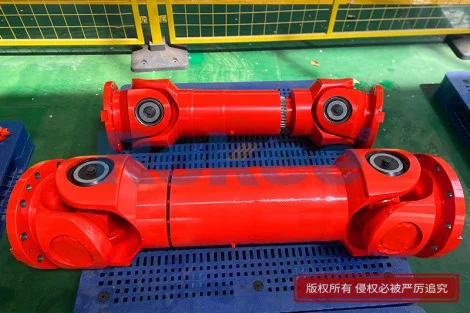
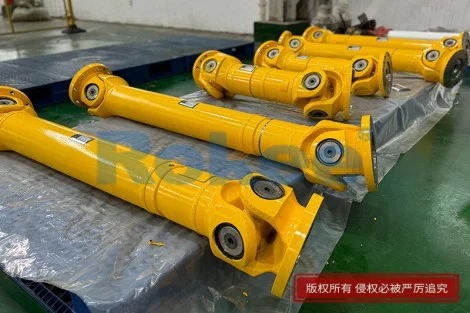
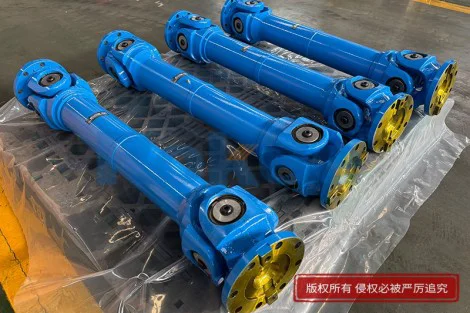
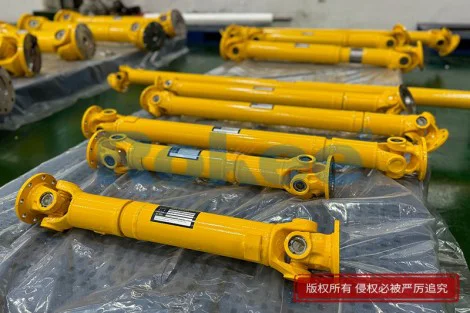
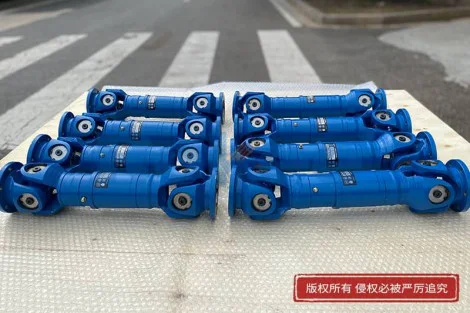
In practical applications, the selection of flexible coupling for the PU sandwich panel line needs to be based on the specific operational parameters of the production line, such as the rated torque, speed, shaft diameter, and the degree of misalignment. Different types of flexible couplings have different performance characteristics, and it is necessary to select the appropriate type according to the actual needs. For example, beam couplings are suitable for applications with small torque and high precision requirements, such as the connection between the motor and the foam mixing pump; elastomeric couplings are suitable for applications with large vibration and shock, such as the connection between the motor and the cutting machine; and universal couplings are suitable for applications with large angular misalignment, such as the connection between the conveyor system and the lamination device. In addition, the installation and maintenance of flexible coupling also need to be standardized to ensure its performance. For example, during installation, the alignment of the shafts should be adjusted as much as possible to reduce the load on the coupling; during use, regular inspection and lubrication should be carried out to check for wear and tear of the flexible components and replace them in a timely manner.
With the continuous development of PU sandwich panel production technology, the requirements for the transmission system are becoming higher and higher. Flexible coupling, with its unique advantages of misalignment compensation, vibration damping, stable torque transmission, and strong adaptability, has become an indispensable component in the PU sandwich panel line. Its good compatibility with the production line not only ensures the stable operation of the production process but also promotes the upgrading and development of the production line. In the future, with the continuous innovation of flexible coupling technology, such as the development of more wear-resistant, corrosion-resistant, and high-load-bearing flexible components, the compatibility between flexible coupling and PU sandwich panel line will be further improved, bringing more benefits to the production of PU sandwich panels. At the same time, enterprises should pay more attention to the selection and application of flexible coupling, according to their own production needs, choose the appropriate type and specification of flexible coupling, and strengthen the daily maintenance and management of the coupling, so as to give full play to the role of flexible coupling in stable force transmission, and promote the high-quality development of the PU sandwich panel industry.
In conclusion, the PU sandwich panel line and flexible coupling have excellent compatibility, which is reflected in multiple aspects such as misalignment compensation, vibration damping, stable torque transmission, and adaptability. Flexible coupling can effectively solve the problems faced by the transmission system of the PU sandwich panel line, ensure the stable operation of the production line, improve production efficiency and product quality, and reduce maintenance costs. With the continuous progress of technology, the application of flexible coupling in the PU sandwich panel line will become more widespread and in-depth, making greater contributions to the development of the industry. Enterprises engaged in the production of PU sandwich panels should fully recognize the importance of flexible coupling, reasonably select and use flexible coupling, and continuously optimize the transmission system, so as to enhance their core competitiveness in the market.