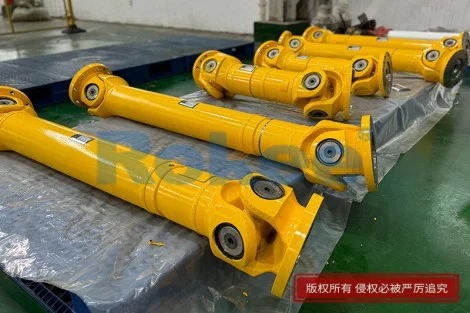
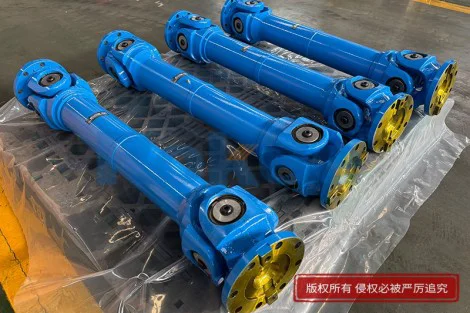
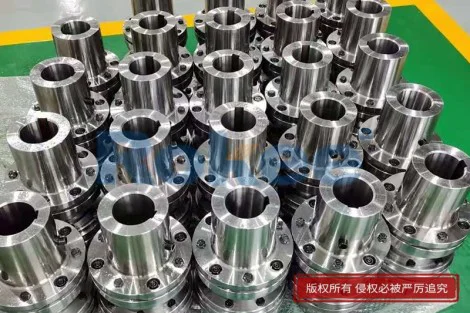
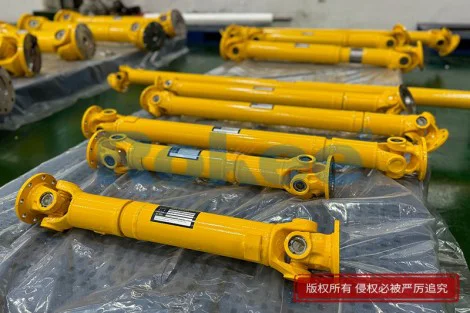
Shim Pack Coupling Helps Efficient Transmission Of Insulation Board Production Line
In the modern construction and industrial insulation fields, the demand for high-quality insulation boards has been steadily rising, driven by the global focus on energy conservation, environmental protection, and building safety. To meet the large-scale, standardized, and high-efficiency production requirements of insulation boards, the insulation board production line has evolved into a complex integrated system that integrates multiple technological processes, including raw material processing, mixing, molding, curing, cutting, and conveying. Each link in this system relies on stable and efficient power transmission to ensure the smooth operation of the entire production process, and the coupling, as a core component connecting the power source and the working equipment, plays an irreplaceable role in ensuring the stability and efficiency of power transmission. Among the various types of couplings used in industrial production, the shim pack coupling has gradually become the preferred choice for insulation board production lines due to its unique structural design, excellent performance characteristics, and strong adaptability, effectively promoting the efficient operation of the production line and improving the quality and output of insulation boards.
The insulation board production line is a systematic equipment combination that requires close coordination between various functional modules. From the raw material feeding system that accurately transports cement, mineral wool, polystyrene foam, and other raw materials to the mixing system, to the molding system that shapes the mixed raw materials into the required specifications, and then to the curing system that ensures the structural stability and insulation performance of the boards, as well as the cutting and conveying systems that process and transport the finished products, each link is closely connected and dependent on power transmission. Any instability in power transmission will lead to interruptions in the production process, affect the consistency of product quality, and even cause damage to equipment, resulting in economic losses. Therefore, choosing a suitable coupling is crucial to ensuring the stable and efficient operation of the insulation board production line. Traditional couplings, such as gear couplings and rigid couplings, have limitations in practical applications: gear couplings require regular lubrication and maintenance, and are prone to wear and tear under long-term high-load operation, which increases the maintenance cost and downtime of the production line; rigid couplings have poor adaptability to shaft misalignment, and slight misalignment between the driving shaft and the driven shaft will cause excessive vibration, noise, and even damage to the equipment bearings and seals, affecting the service life of the entire production line. In contrast, the shim pack coupling, as a type of flexible metal coupling, effectively overcomes these limitations and provides reliable power transmission support for the insulation board production line.
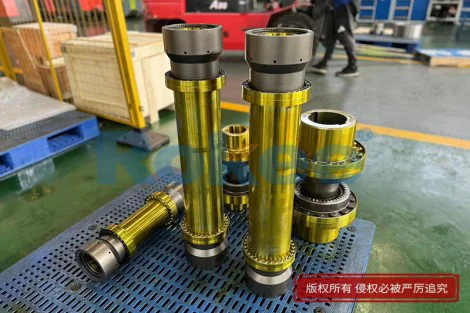
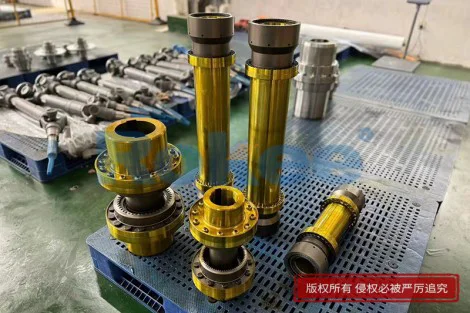
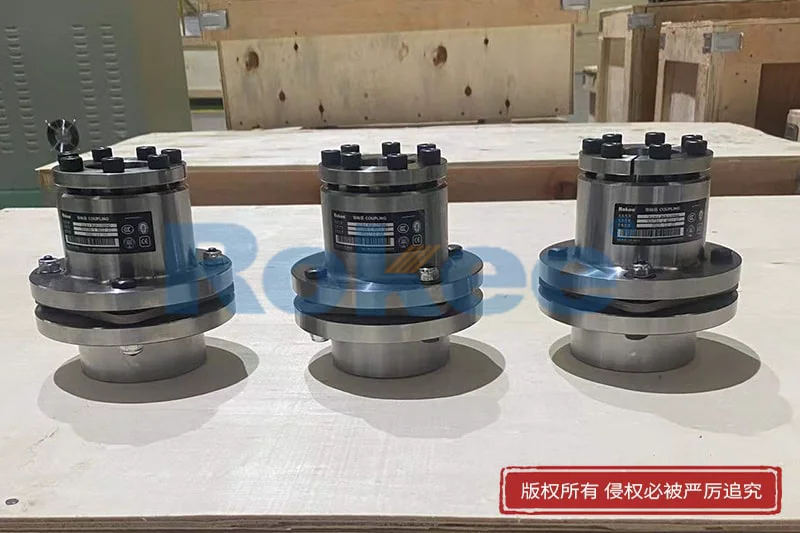
To understand how the shim pack coupling promotes the efficient transmission of the insulation board production line, it is first necessary to clarify its structural characteristics and working principle. The shim pack coupling is composed of several key components, including two half-couplings installed on the driving shaft and the driven shaft, a set of laminated shims (elastic elements) stacked between the half-couplings, and connecting bolts used to fix the shims and the half-couplings. The core component of the shim pack coupling is the laminated shims, which are usually made of high-strength metal materials such as stainless steel or high-strength alloy steel. These shims are thin, flat, and precision-processed, and are stacked together in a specific arrangement to form a flexible joint. The shape of the shims can be circular, polygonal, or concave arc, and the number and thickness of the shims can be adjusted according to the actual transmission requirements, which gives the shim pack coupling strong adjustability and adaptability. The working principle of the shim pack coupling is based on the elastic deformation of the metal shims: when the driving shaft rotates, the torque is transmitted to the laminated shims through the connecting bolts, and the shims generate slight elastic deformation to transmit the torque and motion to the driven shaft. When there is relative displacement (angular, radial, or axial) between the driving shaft and the driven shaft due to equipment installation errors, thermal expansion, or mechanical vibration, the laminated shims can absorb these displacements through their own bending deformation, avoiding rigid impact between the shafts, thereby ensuring the stability of power transmission.
One of the key advantages of the shim pack coupling that makes it suitable for insulation board production lines is its excellent misalignment compensation capability. In the actual operation of the insulation board production line, due to factors such as equipment installation accuracy, long-term operation wear, and thermal expansion of the equipment during operation, it is difficult to avoid slight misalignment between the driving shaft and the driven shaft of each functional module. If the coupling cannot effectively compensate for these misalignments, it will lead to increased vibration, noise, and wear of the equipment, affecting the normal operation of the production line. The shim pack coupling can effectively compensate for angular misalignment of no more than 1 degree and axial misalignment of no more than 2.5 millimeters by adjusting the number and thickness of the shims, as well as the arrangement of the laminated shims. This misalignment compensation capability not only reduces the requirements for equipment installation accuracy, lowers the installation difficulty and cost, but also effectively reduces the vibration and noise generated during the operation of the production line, protecting the bearings, seals, and other components of the equipment, extending the service life of the equipment, and reducing the maintenance cost of the production line.
Another important advantage of the shim pack coupling is its high transmission efficiency and torque transmission capacity. The insulation board production line, especially the large-scale production line, requires the coupling to transmit large torque stably and efficiently to drive the operation of mixing equipment, molding equipment, and conveying equipment. The shim pack coupling uses high-strength metal shims as the elastic transmission element, which has high rigidity and torque-bearing capacity, and can transmit large torque without obvious deformation. At the same time, the structural design of the shim pack coupling is compact, and there is no relative sliding between the components during the transmission process, which avoids energy loss caused by sliding friction, ensuring that the transmission efficiency is maintained at a high level. Compared with traditional gear couplings, which have energy loss due to gear meshing friction, the shim pack coupling has higher transmission efficiency, which can effectively reduce energy consumption of the production line, save production costs, and improve the economic benefits of the enterprise. In addition, the shim pack coupling has good high-temperature resistance, corrosion resistance, and wear resistance, which can adapt to the harsh working environment of the insulation board production line. In the curing process of the insulation board, the production line often needs to work in a high-temperature environment, and the raw materials used in the production process may have certain corrosiveness. The shim pack coupling made of high-strength metal materials can work stably in such an environment, not easy to aging, deformation, or corrosion, ensuring long-term reliable operation of the power transmission system.
The maintenance-free performance of the shim pack coupling also provides great convenience for the operation and management of the insulation board production line. Traditional couplings such as gear couplings require regular lubrication and maintenance, which not only consumes a lot of manpower and material resources, but also requires stopping the production line during maintenance, affecting the production efficiency. The shim pack coupling does not require lubrication during operation, because there is no sliding friction between its components, and the wear between the shims is very small. As long as the shims are inspected regularly and replaced when they are severely worn, the normal operation of the coupling can be ensured. This maintenance-free characteristic greatly reduces the maintenance workload of the production line, shortens the downtime, and improves the continuous operation capacity of the production line. For insulation board production enterprises, continuous production is crucial to improving output and reducing costs. The maintenance-free performance of the shim pack coupling effectively solves the problem of production interruption caused by coupling maintenance, ensuring the continuous and stable operation of the production line.
In the actual application of the insulation board production line, the shim pack coupling is widely used in various key links, playing a key role in ensuring the efficient operation of each link. In the raw material mixing system, the mixing equipment needs to operate at a stable speed to ensure the uniformity of raw material mixing, which directly affects the quality of the insulation board. The shim pack coupling connects the motor and the mixing shaft, transmitting the power of the motor to the mixing shaft stably and efficiently. Its misalignment compensation capability can effectively absorb the vibration generated during the operation of the mixing equipment, avoid the impact of vibration on the motor and the mixing shaft, and ensure that the mixing equipment operates at a stable speed, improving the uniformity of raw material mixing. In the molding system, the molding equipment needs to apply a certain pressure to the mixed raw materials to form the insulation board of the required thickness and shape. The shim pack coupling connects the power source and the molding mechanism, transmitting large torque stably, ensuring that the molding mechanism can apply uniform pressure to the raw materials, improving the molding quality of the insulation board. In the conveying system, the conveying equipment needs to transport the raw materials and finished products continuously and stably. The shim pack coupling connects the motor and the conveying roller, ensuring the stable operation of the conveying equipment, avoiding the phenomenon of material blockage or uneven conveying caused by unstable power transmission, ensuring the smooth progress of the entire production process.
In addition to the above advantages, the shim pack coupling also has the characteristics of simple structure, easy installation and disassembly, which is convenient for the installation and maintenance of the production line. The installation of the shim pack coupling does not require complex tools and professional technical personnel. As long as the half-couplings are installed on the driving shaft and the driven shaft respectively, and the laminated shims are fixed with connecting bolts, the installation can be completed. When the shims are worn and need to be replaced, only the connecting bolts need to be removed, the old shims replaced with new ones, and then the bolts are tightened, which is simple and fast. This easy installation and disassembly characteristic not only reduces the installation and maintenance time of the production line, but also lowers the technical requirements for the operators, reducing the labor cost of the enterprise.
With the continuous development of the insulation board industry, the production line is developing towards automation, intelligence, and large-scale, which puts forward higher requirements for the power transmission system. The shim pack coupling, with its excellent performance characteristics, can well adapt to the development trend of the insulation board production line. In the automated production line, the shim pack coupling can cooperate with the control system to realize stable and precise power transmission, ensuring the coordination and synchronization of each functional module, improving the automation level of the production line. In the large-scale production line, the shim pack coupling can transmit large torque stably and efficiently, meeting the power demand of large-scale equipment, ensuring the output of the production line. At the same time, with the continuous improvement of environmental protection requirements, the energy-saving and environmental protection performance of the production line has become more and more important. The high transmission efficiency of the shim pack coupling can effectively reduce energy consumption, and its maintenance-free performance can reduce the generation of waste lubricating oil, which is in line with the environmental protection requirements of the modern industrial production.
It is worth noting that although the shim pack coupling has many advantages, in the actual application process, it is still necessary to select the appropriate type and specification of the coupling according to the actual working conditions of the insulation board production line, such as the transmission torque, the speed of the equipment, the misalignment range, and the working environment. Only by selecting the suitable shim pack coupling can its performance advantages be fully exerted, and the stable and efficient operation of the power transmission system be ensured. In addition, regular inspection of the shim pack coupling is also necessary, including checking the wear of the shims, the tightness of the connecting bolts, and the operation status of the coupling. If any abnormal situation is found, it should be handled in a timely manner to avoid equipment failure caused by coupling damage.
In conclusion, the shim pack coupling, as a high-performance flexible coupling, plays an important role in promoting the efficient transmission of the insulation board production line. Its unique structural design and excellent performance characteristics, such as good misalignment compensation capability, high transmission efficiency, large torque transmission capacity, maintenance-free performance, simple structure, and easy installation and disassembly, make it well adapted to the working environment and transmission requirements of the insulation board production line. By using the shim pack coupling, the insulation board production line can achieve stable, efficient, and continuous operation, reduce energy consumption and maintenance costs, improve the quality and output of insulation boards, and enhance the market competitiveness of enterprises. With the continuous progress of technology, the performance of the shim pack coupling will be further improved, and its application in the insulation board production line will be more extensive, making greater contributions to the development of the insulation board industry.