Application Of Cross Shaft Universal Coupling In PUR Sandwich Panel Manufacturing Line
The rapid development of modern construction, cold chain logistics and industrial enclosure engineering has driven the continuous upgrading and large-scale production of PUR sandwich panels, which rely on excellent thermal insulation, mechanical strength, fire resistance and weather resistance to become core building and thermal insulation materials widely used in prefabricated buildings, refrigeration warehouses, industrial factory enclosures and special environmental protection engineering projects. The overall performance and finished product quality of PUR sandwich panels are not only determined by the formula ratio of polyurethane raw materials and the composite bonding process of core materials and surface metal plates, but also closely related to the stable and continuous operation of the entire automated manufacturing production line. As a key basic transmission component in mechanical equipment, the cross shaft universal coupling undertakes the core task of torque and rotational power transmission between different transmission shafts in each functional section of the PUR sandwich panel manufacturing line. Its unique structural design, reliable angular compensation performance and strong heavy-load operation adaptability can effectively solve the power transmission difficulties caused by installation deviation, mechanical operation vibration, structural thermal deformation and spatial position offset of each equipment unit in the complex production layout of the sandwich panel production line, ensuring the coordinated and synchronous operation of each processing link from raw material feeding, plate rolling forming, polyurethane high-pressure foaming composite, continuous pressing curing to finished plate cutting and discharging. In the long-term continuous industrial production process, the reasonable application and stable operation of cross shaft universal couplings directly affect the production continuity, processing precision, finished product qualification rate and overall service life of the entire PUR sandwich panel manufacturing line, and play an irreplaceable fundamental supporting role in reducing equipment failure rate, lowering later maintenance costs and optimizing overall production efficiency.
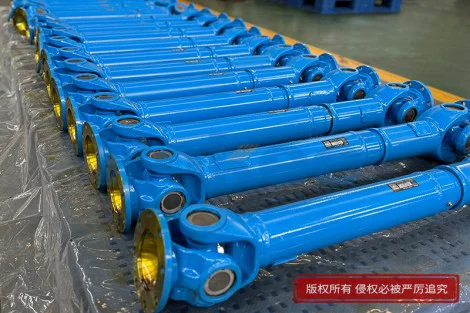
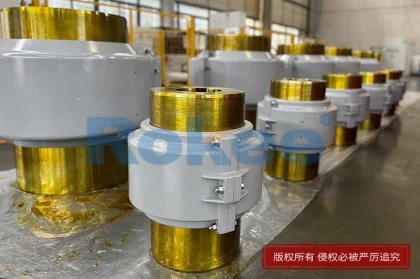
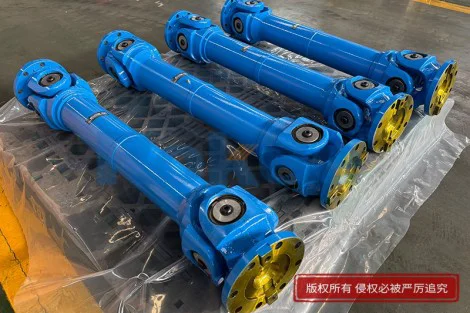
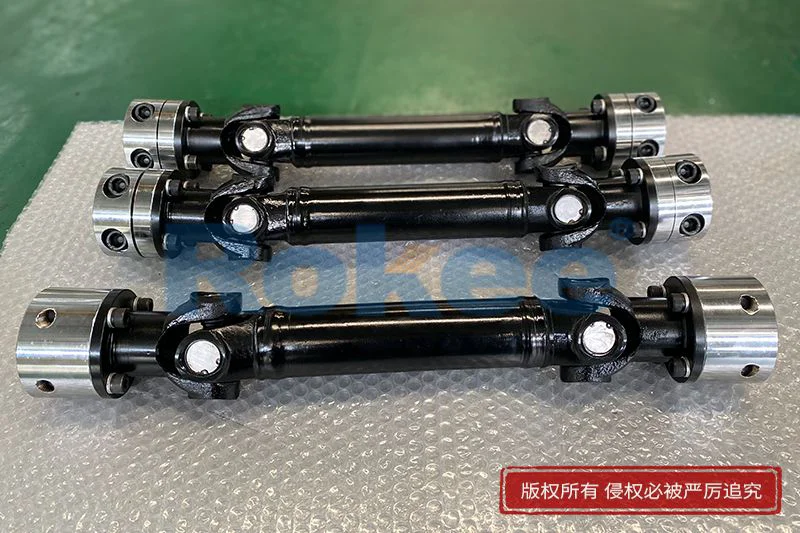
The cross shaft universal coupling is a flexible transmission coupling designed based on the spatial linkage mechanical principle, with a simple and robust basic structure composed of two fork-shaped joint bodies and an intermediate cross shaft connecting piece, and the four shaft necks of the cross shaft are connected with the inner holes of the two fork-shaped joints through matched needle roller bearings. This structural form enables the coupling to realize reliable rotational torque and power transmission between two shafts that are not strictly collinear and have a certain included angle in the spatial position, and has excellent active angular displacement compensation and radial offset adjustment capabilities during the operation process. Different from rigid couplings that can only adapt to ideal coaxial transmission conditions and have poor tolerance to installation errors and equipment operation deformation, the cross shaft universal coupling can work stably within a common angular deviation range of 5 degrees to 45 degrees between driving and driven shafts, and can effectively buffer and absorb the mechanical vibration and impact load generated during the start-stop operation and variable speed adjustment of mechanical equipment. Although a single cross shaft universal coupling has the characteristic of non-constant angular velocity transmission under a certain shaft angle, the reasonable matching and combined installation of two cross shaft universal couplings can effectively offset the instantaneous speed fluctuation generated during single-section transmission, realize approximate constant angular velocity synchronous transmission between the input shaft and the output shaft, and ensure the uniformity and stability of rotational power output. In addition, the main body of the cross shaft universal coupling is made of high-strength alloy materials through integral forging and precision machining, with good mechanical strength, wear resistance and fatigue resistance, which can withstand long-term heavy-load continuous operation and frequent forward and reverse rotation working conditions, and is very suitable for the harsh industrial operation environment with high load, continuous operation and complex transmission conditions of the PUR sandwich panel manufacturing line.
The PUR sandwich panel manufacturing line is a highly integrated automated continuous production system composed of multiple interconnected functional equipment units, including metal plate unwinding and straightening units, surface plate leveling and embossing units, polyurethane raw material high-pressure mixing and foaming feeding units, double-belt continuous pressing composite units, constant-temperature curing shaping units, fixed-length cutting and edge trimming units, and finished plate conveying and stacking units. Each functional unit needs to maintain precise synchronous matching in rotational speed and transmission torque to ensure the consistent continuity of the panel forming and composite process. Once the power transmission between any two adjacent equipment units is unstable or the speed synchronization deviation occurs, it will directly lead to problems such as uneven foaming thickness of the PUR core material, inconsistent bonding strength between the core material and the metal surface plate, surface wrinkling and deformation of the finished sandwich panel, and even cause production line shutdown and equipment component damage in serious cases. Affected by the overall production line layout design, on-site installation and construction accuracy, long-term operation mechanical vibration and environmental temperature changes in the production workshop, the transmission shafts between the power motor, reduction gearbox, driving roller shaft and driven processing roller shaft of each equipment unit in the production line cannot maintain absolute ideal coaxial state, and there are inevitable spatial angular offset and radial position deviation. At the same time, the continuous pressing and curing section of the production line needs to bear huge composite pressure and continuous friction load during operation, which is easy to cause slight structural deformation of the equipment frame and further aggravate the shaft body displacement of the transmission system. Under such complex working conditions, traditional rigid transmission components cannot adapt to the shaft offset and vibration deformation generated during operation, and are prone to transmission shaft jamming, component wear, torque transmission interruption and other faults, while the cross shaft universal coupling can perfectly adapt to the above complex transmission requirements relying on its flexible connection and angular compensation advantages, ensuring stable power transmission and synchronous operation of each link of the production line.
In the metal plate pretreatment and feeding link at the front end of the PUR sandwich panel manufacturing line, the cross shaft universal coupling is applied to the power transmission connection between the unwinding machine driving motor and the unwinding roller shaft, as well as between the straightening machine reduction gearbox and the leveling roller group transmission shaft. The metal raw materials used for the surface layer of PUR sandwich panels are mostly color-coated steel plates or aluminum alloy plates coiled into rolls, which need to be continuously unwound, leveled and straightened before entering the foaming composite process to ensure the flatness and uniform feeding speed of the subsequent composite plates. The unwinding and leveling equipment needs to maintain low-speed and high-torque operation during the production process, and frequent small-range speed adjustment is required according to the production rhythm of the subsequent foaming composite link to avoid plate accumulation or tension fracture. The installation position of the driving motor and reduction gearbox of the unwinding and leveling unit is fixed on the fixed frame of the equipment, while the unwinding roller shaft and leveling roller group will generate slight position displacement and angular deviation due to the tension change of the metal plate and the vibration during roller rotation operation. The application of cross shaft universal couplings here can effectively compensate for the angular and radial offset between the power output shaft of the reduction gearbox and the rotating shaft of the processing roller group, avoid the additional mechanical stress and component wear caused by rigid connection transmission, ensure the stable output of unwinding and leveling torque, maintain the constant feeding tension and uniform conveying speed of the metal plate, and prevent the surface of the metal plate from scratching, wrinkling and uneven stress deformation caused by unstable transmission. At the same time, the good vibration buffering performance of the cross shaft universal coupling can reduce the vibration conduction between the motor, reduction gearbox and processing roller shaft, reduce the operating noise of the equipment, and extend the service life of the motor and reduction gearbox core components.
The double-belt continuous pressing composite link is the core processing section of the entire PUR sandwich panel manufacturing line, which directly determines the composite bonding quality, overall thickness uniformity and structural compactness of the finished sandwich panel, and is also the most critical working section for the application of cross shaft universal couplings. In this link, the mixed and foamed polyurethane raw materials are evenly injected between the upper and lower layers of metal plates that have been leveled and conveyed, and then the composite plates are continuously pressed and shaped by the upper and lower circulating steel belt pressing systems, so that the polyurethane raw materials are fully foamed, cured and tightly bonded with the metal plates to form an integrated PUR sandwich panel structure. The upper and lower circulating steel belt pressing systems are driven by multiple sets of driving rollers and tensioning rollers, and each group of transmission rollers needs to maintain strict synchronous rotation speed and consistent pressing pressure to ensure that the foaming thickness of the PUR core material is uniform and the bonding interface is tight without gaps. The driving power of the pressing roller group is output by the high-power reduction motor, and the transmission shaft between the reduction motor and the main driving roller, as well as the transmission connection between the main driving roller and the auxiliary tensioning roller, all adopt cross shaft universal couplings for power transmission. Due to the large pressing force borne by the pressing equipment during operation, the equipment frame will have slight elastic deformation, resulting in obvious angular offset and axial displacement between the transmission shafts of the roller groups. The cross shaft universal coupling can rely on its flexible connection structure to adapt to the real-time dynamic offset of the transmission shafts during the pressing process, maintain stable torque transmission between the roller groups, ensure the synchronous operation of the upper and lower steel belts, avoid the deviation and slipping of the composite plates during the pressing process, and prevent the quality problems such as local thinning of the PUR core material, insufficient bonding and uneven overall thickness of the sandwich panel caused by asynchronous transmission. In addition, the heavy-load resistance of the cross shaft universal coupling enables it to withstand the impact load generated when the polyurethane raw materials are initially foamed and pressed, ensuring that the pressing and composite process is carried out stably and continuously without sudden transmission interruption.
In the constant-temperature curing shaping and fixed-length cutting processing link in the middle and rear section of the production line, the cross shaft universal coupling also plays an important role in ensuring the stable conveying and precise positioning of the semi-finished sandwich panels. After the composite pressing is completed, the PUR sandwich panel needs to be conveyed through the constant-temperature curing tunnel for a certain period of time to ensure that the polyurethane core material is completely cured and shaped, and the bonding strength between the core material and the metal plate reaches the standard requirement. The conveying roller group inside the curing tunnel is arranged in a long distance, and the transmission shafts of the front and rear roller groups are connected and driven by cross shaft universal couplings. The production workshop and the curing tunnel have a certain temperature difference, and the thermal expansion and cold contraction of the equipment structure will cause the position deviation of the long-distance transmission shafts. The cross shaft universal coupling can effectively compensate for the thermal deformation displacement of the transmission system, ensure the continuous and stable conveying of the semi-finished plates in the curing tunnel, and avoid the plate conveying jamming and surface scratching caused by transmission shaft misalignment. In the subsequent fixed-length cutting and edge trimming link, the cutting equipment and the front-end conveying equipment need to maintain precise speed synchronization to ensure the fixed-length cutting accuracy of the finished sandwich panel. The cross shaft universal coupling applied in the transmission system of the cutting and conveying unit can realize accurate synchronous transmission, reduce the speed fluctuation during equipment variable speed adjustment, ensure that the cutting size of each finished panel is consistent and the edge trimming is neat, and improve the dimensional accuracy and appearance quality of the finished product.
Compared with other types of flexible couplings, the cross shaft universal coupling has more prominent application advantages in the PUR sandwich panel manufacturing line with continuous heavy-load operation and complex transmission working conditions. First of all, the coupling has a simple and compact overall structure, no complex precision accessories, convenient on-site installation, debugging and later replacement and maintenance, and does not need complex professional operation and long-term frequent maintenance, which is very suitable for industrial production lines that require high production continuity and low maintenance downtime. Secondly, the cross shaft universal coupling has high transmission efficiency and small power loss during torque transmission, which can effectively convert the electric energy output by the motor into the mechanical power required for the operation of each processing unit of the production line, reduce the energy consumption of the entire production line operation, and help enterprises reduce production and operation costs. Moreover, the coupling has strong impact resistance and fatigue resistance, can adapt to the frequent start-stop, variable speed regulation and long-term continuous cyclic operation of the sandwich panel production line, is not easy to wear and damage, and has a long service life, reducing the frequency of equipment shutdown maintenance and component replacement, and improving the overall operation rate of the production line. In addition, the good angular compensation and vibration buffering performance of the cross shaft universal coupling can not only ensure the stability of power transmission, but also reduce the mechanical wear of other key components in the transmission system such as bearings and reduction gears, extend the overall service life of the production line equipment, and reduce the long-term equipment operation and maintenance costs.
In the actual production and application process of the PUR sandwich panel manufacturing line, the stable operation and service life of the cross shaft universal coupling are closely related to reasonable model selection, standardized installation and daily scientific maintenance and management. In terms of model selection, it is necessary to reasonably select the coupling specifications and structural forms according to the actual transmission torque, operating speed, shaft offset angle and working environment of different functional sections of the production line, matching the heavy-load working conditions of the pressing composite link and the medium-load continuous transmission requirements of the feeding and conveying link to avoid failure problems such as coupling overload damage and insufficient compensation performance caused by unreasonable model selection. In terms of installation construction, it is necessary to strictly follow the mechanical installation specifications to ensure that the installation position of the coupling is accurate, the connection fastening is firm, and the offset angle of the transmission shaft is controlled within the optimal working range, reducing additional mechanical stress caused by installation deviation. In daily production management, it is necessary to regularly inspect the operating state of the cross shaft universal coupling, check the wear degree of the cross shaft and needle roller bearings, the fastening state of the connecting parts and the lubrication effect of the rotating parts, and do a good job in regular lubrication and maintenance work. Timely replacement of worn and aging coupling components can avoid equipment failure and production shutdown caused by coupling damage, ensure the long-term stable and efficient operation of the PUR sandwich panel manufacturing line, and maintain the stable improvement of finished product quality and production efficiency.
With the continuous upgrading of the performance requirements of PUR sandwich panels in the construction and thermal insulation industry and the continuous development of automated and intelligent production technology, the PUR sandwich panel manufacturing line is developing towards higher production speed, higher processing precision and more stable continuous operation. As an indispensable key transmission component in the production line mechanical transmission system, the cross shaft universal coupling will continue to play an important core application value. Its excellent angular compensation performance, heavy-load transmission capacity, simple structure and convenient maintenance characteristics can always adapt to the complex and changeable working conditions of the sandwich panel production process, provide reliable stable power transmission guarantee for each key production link, and lay a solid mechanical foundation for improving the production quality and production efficiency of PUR sandwich panels. In the future, with the continuous optimization and upgrading of coupling material technology and structural design, the comprehensive performance of cross shaft universal couplings will be further improved, which can better adapt to the high-efficiency and intelligent development needs of modern PUR sandwich panel manufacturing industry, and promote the continuous progress and high-quality development of the entire sandwich panel production and processing industry.