Continuous PU Sandwich Panel Line With Universal Shaft Energy-saving And Environmentally Friendly
The continuous polyurethane sandwich panel line represents one of the most sophisticated and efficient manufacturing systems in the modern building envelope industry. Designed to produce insulated panels at high speed and with consistent quality, this integrated production system transforms raw chemical components and metal coil facings into finished architectural panels in a single uninterrupted flow. Unlike discontinuous batch processes that require manual handling, prolonged curing times, and repeated setup, a continuous line feeds materials at one end and discharges fully trimmed, stacked panels at the other, all within a tightly controlled and automated environment. The heart of this system is the synergy between precision material application, uniform heat and pressure distribution, and a robust mechanical drive architecture — and it is precisely here that the universal shaft transmission plays an indispensable role. As building demands evolve toward better thermal performance, lower construction waste, and greener manufacturing, the continuous PU sandwich panel line has evolved from a convenient production option into an essential industrial infrastructure. Its ability to combine structural integrity, insulation efficiency, and surface finish in a matter of minutes makes it the preferred choice for cold storage facilities, clean rooms, industrial workshops, commercial facades, and modular building systems. Understanding how these lines achieve their energy-saving and environmentally friendly outcomes requires examining not only the obvious energy-recovery components but also the less visible mechanical and process-engineering decisions that compound efficiency gains over tens of thousands of operating hours.
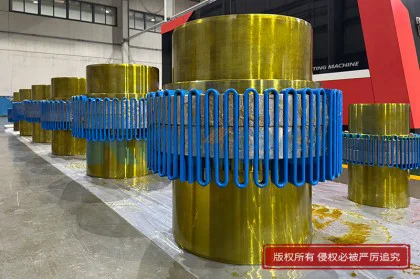
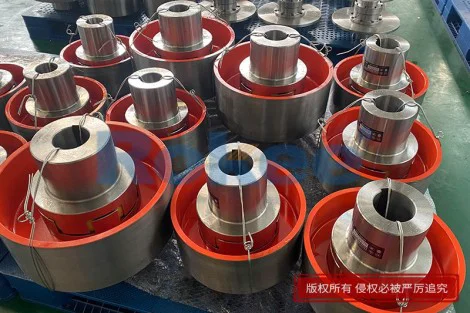
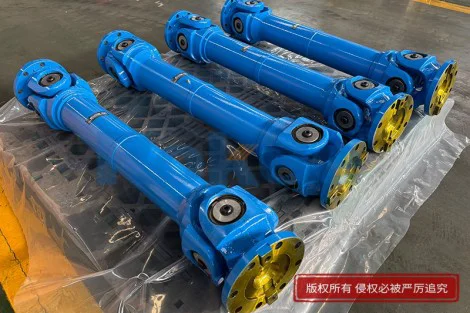
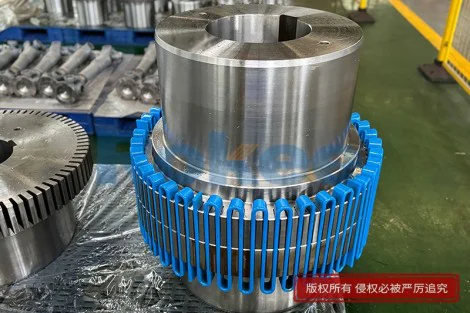
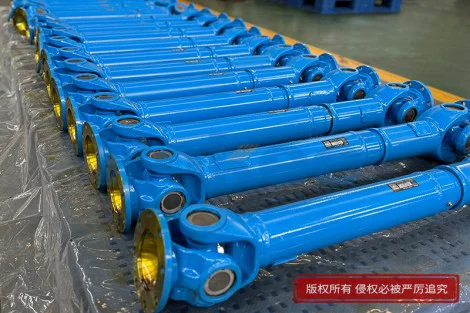
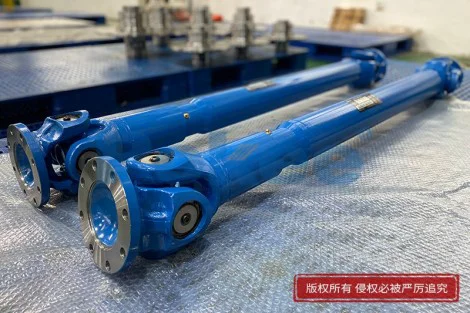
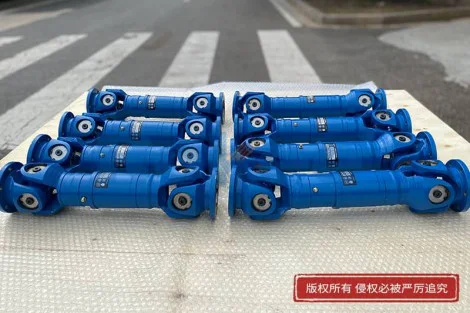
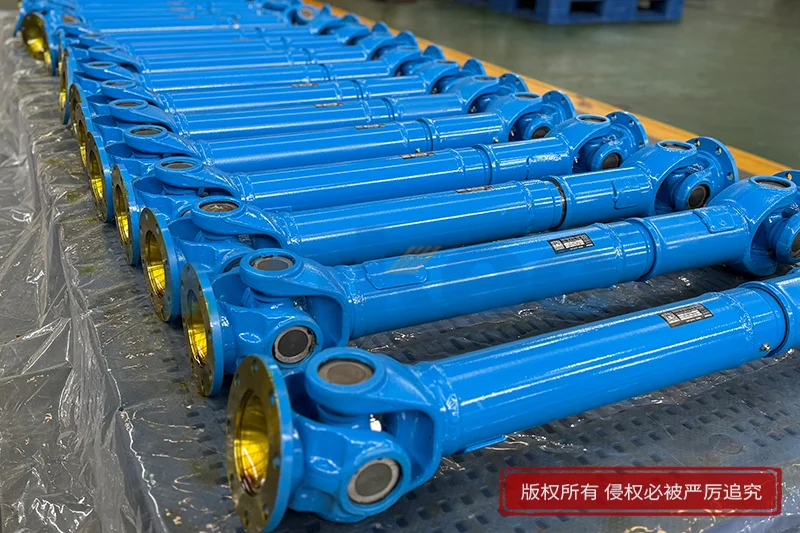
At the core of every continuous PU sandwich panel line sits a transmission system that must deliver synchronized motion across multiple long conveyor sections, laminating belts, and auxiliary drives while absorbing misalignment, thermal expansion, and heavy intermittent loads. The universal shaft — also referred to as a cardan shaft or universal joint drive — is the mechanical element that makes this synchronization both possible and durable. Unlike gearbox output shafts that rely on rigid couplings limited to near-perfect alignment, a universal shaft transmits torque through two or more universal joints connected by a telescoping intermediate tube. This geometry allows angular misalignment, parallel offset, and axial movement between the driving motor and the driven roller without binding, premature bearing wear, or vibration transfer. In a sandwich panel line, conveyor lengths often exceed thirty or forty meters, and the steel framework undergoes measurable thermal expansion during warm-up. Additionally, different roller stations may deflect slightly under load or be adjusted vertically for panel thickness changes. A rigid coupling would rapidly fatigue under these conditions, leading to coupling failure, belt mistracking, and unplanned downtime. The universal shaft accommodates these variations continuously and smoothly, ensuring that the double belt conveyor, side sealing strips, and panel take-off sections move in precise unison. This mechanical tolerance is not merely a convenience; it is the foundation upon which energy efficiency is built. When drive components are properly aligned and cushioned by universal joints, less power is wasted as friction, heat, and vibration. Motors do not fight against binding couplings, and belts run true rather than scrubbing against side guides. The result is a quieter, smoother, and measurably more energy-efficient production line.
Energy savings in a continuous PU sandwich panel line arise from multiple interconnected design choices, beginning with the heating and cooling strategy of the double belt press. Polyurethane foam requires a controlled temperature window during its rise and cure phase; too cold, and the foam density becomes uneven with incomplete reaction; too hot, and the surface skin may degrade or the facings may delaminate. Modern continuous lines achieve this thermal control through segmented, independently regulated heating zones along the length of the laminating belt. Instead of maintaining the entire press at a single high temperature, each zone targets the specific stage of the chemical reaction — initial nucleation, cell growth, cross-linking, and final stabilization. This zoning allows operators to lower temperatures where the reaction is exothermic and raise them only where additional activation heat is needed. Combined with efficient thermal insulation around the belt press and recirculating hot oil systems that recover waste heat from downstream cooling zones, the line minimizes the total thermal energy required per panel. Electrically heated versions, while seemingly less efficient on the surface, benefit from precision zone control and rapid warm-up, reducing idle energy consumption during product changeovers. Hydraulic or oil-based systems, on the other hand, retain heat well and can integrate heat exchangers that capture waste energy from the foam reaction itself. In both configurations, the objective is the same: deliver exactly the thermal energy the chemistry demands, no more, no less. Over a year of multi-shift operation, this precision thermal management translates into substantial reductions in fuel or electricity consumption per square meter of finished panel, directly lowering the carbon footprint of each unit produced.
The environmental friendliness of a continuous PU sandwich panel line extends far beyond reduced energy consumption on the factory floor. A truly eco-conscious line addresses waste reduction, emission control, material efficiency, and the end-of-life profile of the finished product. Starting with raw material utilization, the continuous process achieves extremely high conversion yields because the metal coils are fed continuously and trimmed only at the edges, where side scrap is minimal and recoverable. The polyurethane chemical components are metered with precision through high-pressure mixing heads, ensuring that the exact foam volume required for a given panel width and thickness is dispensed — eliminating the over-pouring waste common in manual or semi-automatic processes. Edge trim from the metal facings can be collected and recycled back into the coil processing loop, while any foam offcuts are typically captured in dedicated collection systems rather than vented as airborne particulate. In terms of emissions, modern lines are engineered to contain volatile organic compounds and fumes released during the foaming reaction. Enclosed curing tunnels, activated carbon filtration units, and controlled exhaust systems ensure that processing air is treated before release, protecting both workshop personnel and the surrounding environment. The blowing agents used in the foam formulation itself have also evolved significantly; contemporary formulations increasingly use low-global-warming-potency agents that minimize atmospheric impact. On the product side, PU sandwich panels contribute to environmental goals over their service life by providing exceptional thermal insulation, reducing heating and cooling energy in the buildings they enclose for decades. A well-insulated cold storage warehouse, for example, can reduce refrigeration energy consumption dramatically compared with traditional wall systems. Thus, the environmental benefit of the line is double-edged: it manufactures more efficiently, and the products it makes save energy for their entire operational lifetime.
The raw material preparation and metering section of a continuous PU sandwich panel line is where the foundation of both product quality and material efficiency is laid. This section typically includes storage and conditioning tanks for the polyol blend and isocyanate components, high-precision metering pumps, heat exchangers to maintain component temperature within tight tolerances, and a high-pressure impingement mixing head that oscillates across the moving lower facing. The importance of this section cannot be overstated: the foam that forms the core of the panel is only as good as the chemistry that goes into it. If component temperatures drift or dosing ratios fall outside the formulation window, the resulting foam may be brittle, too dense, too soft, or improperly bonded to the facings — all of which leads to rejected panels and wasted material. Modern lines use closed-loop control systems that continuously monitor flow rates, pressures, and temperatures, automatically adjusting pump speeds and heating to compensate for ambient changes. The mixing head itself is a marvel of precision engineering; impingement mixing forces the two chemical streams through tiny orifices at high pressure, causing turbulent collision that blends them in milliseconds without mechanical agitators that could introduce shear inconsistency. The oscillating motion of the head distributes the mixed chemical mixture in a uniform ribbon across the width of the facing, ensuring that foam expansion fills the entire panel cross-section evenly. This level of precision directly supports environmental goals: less foam over-dispensing means less trim waste and fewer rejected panels. It also supports energy savings because the chemical components themselves represent embodied energy; wasting them is equivalent to wasting the energy that went into producing, transporting, and processing them. In this sense, the metering section is both a quality control station and an environmental stewardship mechanism.
The double belt laminating conveyor is the longest and most visually imposing section of a continuous PU sandwich panel line, and it is where the raw materials truly become a finished panel. Two endless, polished steel belts — one above and one below — travel in perfect synchrony, sandwiching the layered assembly of lower facing, reactive foam mixture, and upper facing. As this sandwich moves through the press, the foam expands freely within the width constraints of side sealing baffles, filling every corner and adhering to both metal facings. The belts are heated in segmented zones from above and below, and in the later zones they transition to cooling, stabilizing the foam skin and setting the panel dimensions. The universal shaft drives at the infeed and outfeed ends of the belt press are critical here because even the most minute speed mismatch between the two belts would cause wrinkling, delamination, or internal shear stresses in the foam core. Universal shafts absorb the slight torsional windup and thermal expansion that occur across the forty-plus-meter length of the press, maintaining true linear speed synchronization without the need for constant mechanical adjustment. The belt surfaces themselves are precision-ground and often coated with non-stick materials to ensure smooth release and a flawless panel surface finish. Belt flatness and parallelism are maintained through a series of support rollers that follow the contour of the curing panel, applying uniform pressure without localized compression. This uniform pressure is essential for consistent panel density and thickness tolerance. Any variation in pressure would create density gradients within the foam, reducing insulation performance and structural strength — and potentially leading to panel rejection. The energy efficiency of this section is enhanced by the segmented heating and cooling zones mentioned earlier, as well as by efficient insulation that prevents heat loss to the surrounding workshop. Modern belt presses also use variable-frequency drives on the main conveyor motors, allowing line speed to be matched precisely to the foam's cure time for a given panel thickness. Thicker panels require slower line speeds to allow more curing time; thinner panels can run faster. This adaptability means the line never over-processes or under-processes material, optimizing both throughput and energy use.
Following the laminating press, the continuous panel strip enters the cutting and finishing section, where it is transformed from an endless web into individual, customer-ready panels. This section typically includes a flying cut-off saw that cuts the moving panel to exact lengths while the line is still running, a side trimmer that removes the excess foam and metal edges along both sides, and a stacking system that collects finished panels in neat bundles ready for packaging and shipping. The flying saw is a remarkable piece of engineering in its own right: it must accelerate to match the line speed, cut through the metal facings and foam core cleanly without causing delamination or burrs, and then retract to a home position before the next cut. Because the line never stops, the saw's motion must be perfectly synchronized with the conveyor speed — again, a task facilitated by reliable drive components including universal shafts that transmit torque smoothly despite the saw carriage's reciprocating motion. The side trimmers cut both longitudinal edges simultaneously, creating the tongue-and-groove or interlocking profiles that allow panels to join together on site. These trimmers are adjustable for different panel widths and thicknesses, and their cutting blades are designed to produce clean, burr-free edges that seal properly during installation. The energy efficiency of this section is often underestimated. Modern cut-off systems use servo-driven saw carriages that accelerate and decelerate only when needed, rather than running continuously at full power. Compressed air systems for blade cleaning and blow-off are regulated and zoned, reducing waste. And the stacking system uses gentle, synchronized lift tables that move at the same speed as the incoming panels, avoiding impacts that could damage finished surfaces. Material recovery is also integrated here: edge trimmings are collected by screw conveyors or vacuum systems and transported to recycling bins, while any foam dust is captured by dust extraction units connected to filtration systems. This closed-loop approach minimizes both solid waste and airborne particulate, reinforcing the line's environmental credentials.
The automation and process control architecture of a modern continuous PU sandwich panel line is the invisible hand that ties every mechanical and thermal subsystem together. At the center sits a programmable logic controller that reads signals from hundreds of sensors — temperature probes at every heating zone, belt speed encoders, pressure sensors in the mixing head, thickness gauges, length measurement wheels, and safety interlocks — and makes real-time adjustments to maintain the product within specification. Human-machine interface terminals along the line display the current recipe, line speed, zone temperatures, and alarm status, allowing operators to monitor production without manually adjusting mechanical components. Recipe management is a particularly powerful feature: operators select a pre-configured recipe for a specific panel thickness, width, and facing material, and the controller automatically sets the line speed, chemical metering rates, heating zone temperatures, cooling zone setpoints, and cut length. This eliminates the trial-and-error adjustments that waste material and energy during changeovers. Batch-to-batch consistency is dramatically improved, and the learning curve for new operators is shortened. Energy management is increasingly built into these control systems. The controller can automatically reduce heating zone temperatures during scheduled breaks or shift changes, bring zones back up to operating temperature ahead of start-up, and optimize the use of heat recovery systems based on real-time production demand. Some advanced lines even integrate factory-level energy monitoring that compares actual consumption against theoretical benchmarks, flagging energy waste trends before they become significant. Safety is another critical function of the control system: emergency stop circuits, light curtains at the infeed and outfeed, and guarding interlocks ensure that operators are protected from moving machinery. The universal shaft drives themselves are monitored indirectly — motor current draw, vibration, and temperature can signal misalignment or wear before a failure occurs. This predictive maintenance capability reduces unplanned downtime and extends the service life of mechanical components, further improving the line's overall resource efficiency.
Precision engineering and attention to surface quality distinguish a high-performance continuous PU sandwich panel line from a basic one, and these qualities have direct implications for both energy use and environmental impact. Panel thickness tolerance, flatness, and edge straightness determine how well panels seal together when installed on a building. Poorly made panels may have gaps between them that allow air infiltration, dramatically reducing the effective insulation value of the wall system — meaning the building consumes more heating and cooling energy over its life. A line that holds tight tolerances, by contrast, produces panels that fit together snugly, minimizing thermal bridging and air leakage. The surface finish of the metal facings is equally important: modern lines use precision coil feed systems that unroll painted or pre-finished steel coils without scratching or denting them, applying protective films where required. The film lamination and cutting mechanisms ensure that decorative surfaces remain flawless, reducing the need for touch-up paint or secondary finishing that can introduce volatile compounds into the environment. Universal shaft transmissions contribute to this precision as well: by eliminating speed fluctuations caused by misaligned rigid couplings, they ensure that the upper and lower facings travel at exactly the same speed through the laminating press. Any speed differential would cause tension wrinkles in the facing or shear stress within the foam, both of which compromise panel appearance and structural integrity. The long-term durability of panels produced on a well-tuned line also supports environmental goals by extending the service life of the building envelope. Panels that resist delamination, moisture ingress, and thermal cycling need not be replaced as often, reducing construction waste and the embodied carbon associated with replacement materials. In this way, the mechanical precision of the line is not merely a cosmetic or quality issue — it is a sustainability issue with long-reaching consequences for the built environment.
Looking ahead, the continuous PU sandwich panel line continues to evolve toward even greater energy efficiency, lower environmental impact, and smarter operation. Several trends are shaping this evolution. First, there is growing interest in further reducing the embodied carbon of the panels themselves, through both improved foam insulation performance — which means less foam is needed for the same thermal resistance — and the exploration of alternative blowing agents with minimal atmospheric impact. Second, digitalization and connectivity are making lines more adaptive. Sensors that monitor belt wear, heater efficiency, and chemical pump degradation feed into predictive maintenance systems that schedule service only when needed, avoiding both catastrophic failures and unnecessary preventive overhauls. Third, heat recovery systems are becoming more sophisticated, capturing waste heat not just from the cooling zones but also from hydraulic power units, compressor rooms, and even the exhaust air stream, using it to pre-heat combustion air, warm factory spaces in winter, or condition incoming raw materials. Fourth, there is increasing focus on circular economy principles: designing lines and panels so that the metal facings can be easily separated from the foam core at end of life, enabling both streams to be recycled rather than landfilled. Universal shaft technology, too, continues to improve, with better-bearing universal joints, higher torque density, and integrated monitoring that can detect imbalance or wear through vibration signatures. Taken together, these advances point toward a manufacturing future where producing high-quality insulated panels requires less energy, generates less waste, and contributes less to environmental degradation than ever before. For building owners and society at large, the result is a more comfortable, energy-efficient built environment supported by an industrial process that has internalized the principles of sustainability. The continuous PU sandwich panel line, once a purely production-oriented asset, has become a key instrument in the global transition toward greener construction.