Installation And Maintenance Of Cardan Coupling For PUR Sandwich Panel Line
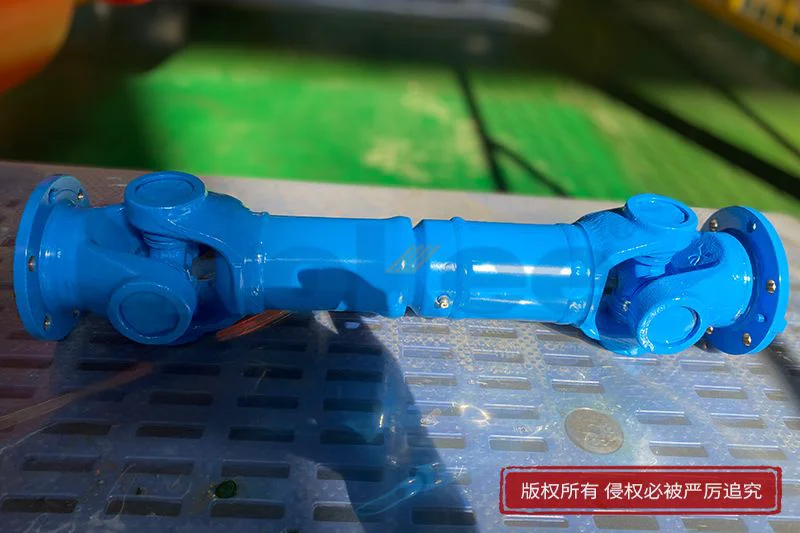
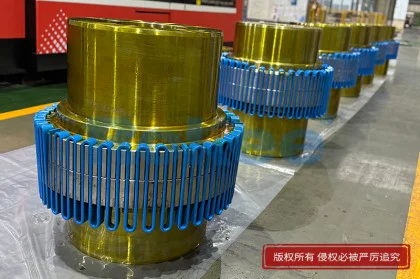
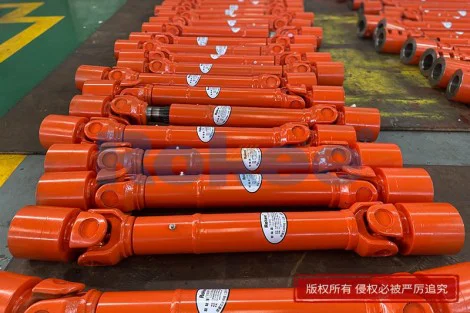
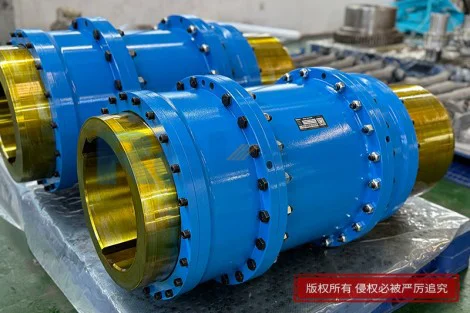
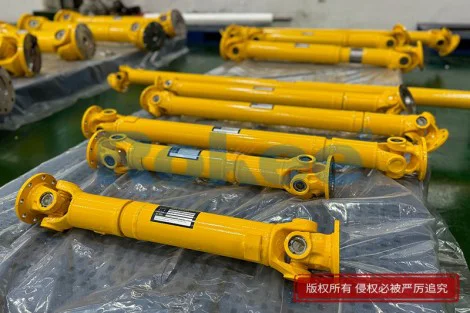
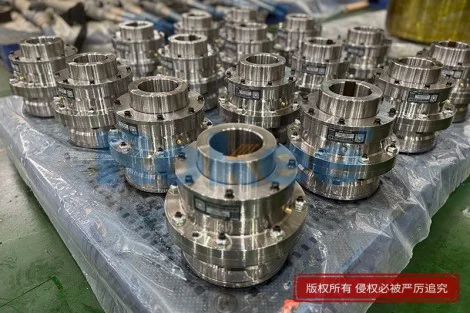
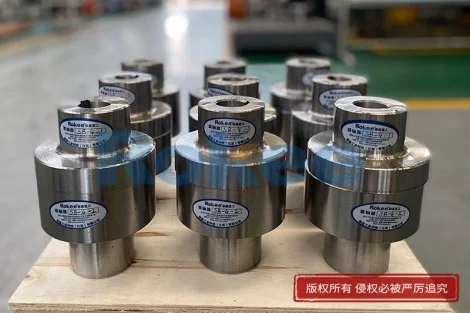
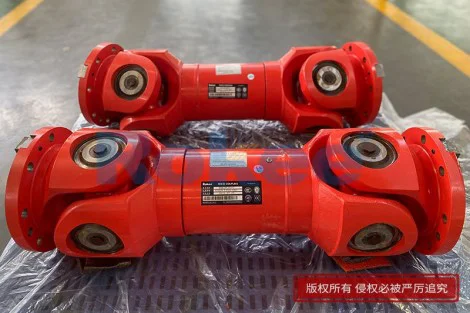
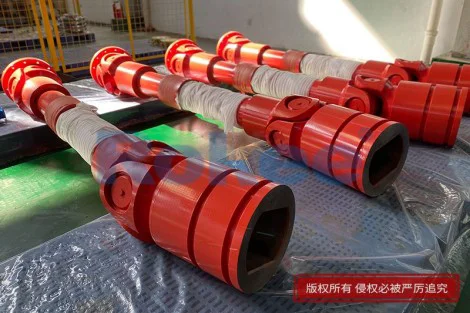
In the modern production process of PUR sandwich panels, the stable and efficient operation of the production line is crucial to ensuring product quality, production efficiency and operational safety. As a key component in the power transmission system of the PUR sandwich panel line, the cardan coupling undertakes the important task of transmitting torque between non-coaxial shafts, compensating for axial, radial and angular deviations between shafts, and ensuring the coordinated operation of various equipment in the production line. Unlike rigid couplings that require precise coaxial alignment of the driving and driven shafts, the cardan coupling has a unique articulated structure that allows the two connected shafts to swing relative to each other within a certain angle range while maintaining the continuity of power transmission, which makes it particularly suitable for the complex working environment of the PUR sandwich panel production line where shaft misalignment is unavoidable due to process layout and equipment operation characteristics.
The installation quality and daily maintenance level of the cardan coupling directly affect the overall operation effect of the production line, and even determine the service life of related equipment and the stability of product quality. Therefore, mastering the scientific installation methods and standardized maintenance procedures of the cardan coupling for the PUR sandwich panel line is of great practical significance for reducing equipment failure rate, improving production efficiency and reducing operational costs.
Before starting the installation of the cardan coupling, adequate preparation work must be carried out to lay a solid foundation for the smooth progress of the installation work and the stable operation of the coupling in the later period. First of all, it is necessary to conduct a comprehensive inspection of the cardan coupling itself to ensure that there are no defects such as cracks, scratches, deformation or wear on the surface of the coupling components, especially the key parts such as the yoke, cross shaft and bearing. The cross shaft, as the core component of the cardan coupling, should be checked for whether the journal is smooth, whether there are signs of rust or pitting, and whether the bearing fit is tight without obvious looseness. At the same time, it is necessary to confirm that the size of the coupling matches the size of the connected driving shaft and driven shaft, including the shaft diameter, keyway size and fit tolerance, to avoid installation difficulties or unstable transmission caused by size mismatch.
Secondly, the installation environment needs to be cleaned and sorted out. The installation area of the cardan coupling should be free of dust, debris, oil stains and other impurities, because these impurities may enter the internal structure of the coupling during installation, causing increased friction, wear or even jamming during operation. For the installation position on the PUR sandwich panel production line, it is necessary to check whether the surrounding equipment, pipelines and other components will interfere with the installation and operation of the coupling, and if there is any interference, it should be adjusted in advance. In addition, the required installation tools should be prepared and inspected to ensure that they are in good condition and can work normally. Common tools include torque wrenches, calipers, dial indicators, hammers, screwdrivers and lubrication tools. Among them, the torque wrench should be calibrated in advance to ensure the accuracy of the tightening torque, and the dial indicator should be checked for its sensitivity to facilitate the detection of shaft alignment during installation.
Before installation, it is also necessary to conduct a comprehensive inspection of the driving shaft and driven shaft that need to be connected to the cardan coupling. Check whether the surface of the shaft is smooth, whether there are burrs, scratches or rust, and if so, polish and derust it to ensure that the coupling can be closely fitted with the shaft. At the same time, check the coaxiality of the two shafts. Although the cardan coupling can compensate for a certain degree of shaft misalignment, excessive misalignment will increase the load on the coupling during operation, accelerate wear and reduce service life. Therefore, it is necessary to use a dial indicator to detect the coaxiality of the driving shaft and driven shaft, and adjust them to the allowable deviation range in advance. For the PUR sandwich panel production line, the allowable angular deviation of the cardan coupling is generally between 5° and 45°, and the specific value should be determined according to the actual working conditions of the production line and the performance parameters of the coupling. In addition, it is necessary to check whether the key and keyway of the shaft are intact, whether the fit is appropriate, and ensure that there is no looseness after installation to avoid slipping during torque transmission.
After completing all the preparation work, the formal installation of the cardan coupling can be carried out. The installation process should be carried out in accordance with scientific procedures to ensure the installation quality. First, install the two yokes of the cardan coupling on the driving shaft and the driven shaft respectively. When installing, apply an appropriate amount of lubricating grease on the inner hole of the yoke and the surface of the shaft to reduce friction during installation and prevent wear between the yoke and the shaft. The yoke should be installed in place to ensure that the key is fully inserted into the keyway, and there is no gap between the yoke and the shaft shoulder. After the yoke is installed, use a torque wrench to tighten the set screws or bolts according to the specified torque. It should be noted that the tightening torque should be appropriate, not too loose or too tight. Too loose will cause the yoke to slip on the shaft during operation, affecting torque transmission; too tight will cause deformation of the yoke or shaft, affecting the normal operation of the coupling.
Next, install the cross shaft between the two yokes. When installing the cross shaft, apply lubricating grease evenly on the surface of the cross shaft and the inner hole of the bearing to ensure smooth rotation of the cross shaft. The cross shaft should be installed in place, and the bearings at both ends should be closely fitted with the yoke without obvious looseness. After the cross shaft is installed, manually rotate the coupling to check whether it rotates flexibly, whether there is any jamming or abnormal noise. If there is jamming or abnormal noise, it should be disassembled and inspected in time to find out the cause and solve it.
After the installation of the cardan coupling is completed, a comprehensive inspection and test run should be carried out to ensure that the coupling is installed correctly and can work normally. First, check the installation position of the coupling again to confirm that all components are installed in place, and all fasteners are tightened according to the specified torque. Then, use a dial indicator to detect the coaxiality and angular deviation of the coupling again to ensure that they are within the allowable range. After that, carry out a no-load test run. Start the power device of the production line, let the cardan coupling run under no-load condition, observe whether there is abnormal noise, vibration or overheating of the coupling, and check whether the rotation is stable. The no-load test run time should not be less than 30 minutes. During the test run, pay close attention to the operation status of the coupling. If any abnormal phenomenon is found, stop the machine immediately for inspection and troubleshooting.
After the no-load test run is normal, carry out a load test run. Gradually increase the load of the production line, observe the operation status of the cardan coupling under different load conditions, check whether the torque transmission is stable, whether there is any oil leakage, and whether the temperature rise is within the normal range. The load test run should be carried out step by step, and the operation time under each load should be sufficient to ensure that the coupling can adapt to the actual working load of the production line. After the load test run is completed and all indicators are normal, the cardan coupling can be put into formal use.
The daily maintenance of the cardan coupling is an important link to ensure its long-term stable operation and extend its service life. The PUR sandwich panel line usually operates continuously for a long time, and the cardan coupling is in a state of high load and high speed operation for a long time, which is prone to wear, lubrication failure and other problems. Therefore, it is necessary to establish a standardized daily maintenance system to conduct regular inspection and maintenance of the cardan coupling.
Daily inspection is the foundation of maintenance work. Before the production line starts every day, the operator should conduct a visual inspection of the cardan coupling. Check whether the surface of the coupling is clean, whether there are oil stains, dust or debris attached; check whether the fasteners such as bolts and set screws are loose, and if so, tighten them in time; check whether there is oil leakage at the bearing and seal of the coupling, and if there is oil leakage, find out the cause and solve it. During the operation of the production line, pay attention to listening to the operation sound of the cardan coupling. If there is abnormal noise such as creaking, knocking or friction sound, it may indicate that there is wear, looseness or lack of lubrication in the coupling, and it should be stopped for inspection in time. At the same time, observe the vibration of the coupling. Excessive vibration may be caused by shaft misalignment, unbalanced coupling or wear of components, which needs to be handled in time.
Regular lubrication is an important measure to reduce the wear of the cardan coupling and ensure its smooth operation. The internal components of the cardan coupling, such as the cross shaft, bearing and yoke, need to be lubricated regularly to reduce friction between components and prevent rust and corrosion. The type of lubricating grease should be selected according to the working environment and load characteristics of the cardan coupling. For the PUR sandwich panel production line, which often operates in a certain temperature range, it is recommended to use high-temperature resistant lubricating grease, such as molybdenum disulfide grease, which can maintain good lubrication performance under high temperature conditions. The lubrication cycle should be determined according to the working intensity and environment of the production line. Under normal working conditions, lubrication should be carried out every 3 to 6 months; under heavy load, high frequency or harsh environment (such as high temperature, dust, humidity), the lubrication cycle should be shortened to 1 to 3 months.
When lubricating, first clean the lubrication port and the surface around the coupling to prevent impurities from mixing into the lubricating grease. Then, inject the lubricating grease into the lubrication port until the grease overflows from the gap of the coupling, ensuring that all moving components are fully lubricated. After lubrication, wipe off the excess grease on the surface of the coupling to avoid dust adhesion.
Regular inspection and maintenance of key components is also an important part of daily maintenance. Every 1 to 2 months, or after the cumulative operation time reaches 500 hours, the cardan coupling should be disassembled and inspected in depth. Check the wear of the cross shaft journal and bearing. If the journal is worn, pitted or rusted, or the bearing is loose, stuck or worn severely, it should be replaced in time. Check the wear of the yoke and the keyway. If the yoke is deformed or the keyway is worn, it should be repaired or replaced. Check the seal of the coupling. If the seal is aged, damaged or deformed, it should be replaced immediately to prevent lubricating grease leakage and impurities from entering the internal structure of the coupling. In addition, check the dynamic balance of the cardan coupling. If the coupling is unbalanced, it will cause excessive vibration during operation, which will affect the stability of the production line and accelerate the wear of the coupling. If unbalance is found, it should be balanced and corrected in time.
In the process of using the cardan coupling, it is also necessary to pay attention to avoiding improper operation, which can effectively reduce the failure rate of the coupling. For example, avoid starting the production line with overload, because overload will cause excessive torque on the cardan coupling, leading to deformation or damage of components; avoid sudden start and stop of the production line, which will generate impact load on the coupling, accelerating wear; avoid the cardan coupling working beyond the allowable angular deviation range for a long time, which will increase the load on the coupling and reduce its service life. In addition, when the production line is shut down for maintenance, the cardan coupling should be cleaned and inspected, and lubricated if necessary, to ensure that it can work normally when the production line is restarted.
The handling of common faults of the cardan coupling is also an important part of maintenance work. In the process of operation, the cardan coupling may have various faults due to factors such as wear, lubrication failure and improper installation. Mastering the troubleshooting methods of common faults can quickly solve the problems and reduce the impact on production. One of the common faults is abnormal vibration of the cardan coupling. The main causes of abnormal vibration include shaft misalignment exceeding the allowable range, unbalanced coupling, wear or damage of components, loose fasteners, etc. When abnormal vibration occurs, the machine should be stopped immediately, and the coaxiality and angular deviation of the shaft should be checked first. If the misalignment is excessive, it should be adjusted; then check whether the fasteners are loose, and tighten them if necessary; check the wear of components such as the cross shaft and bearing, and replace them if there is severe wear; if the coupling is unbalanced, it should be balanced and corrected.
Another common fault is abnormal noise of the cardan coupling. The main causes include lack of lubrication, wear of components, loose fasteners, foreign bodies entering the coupling, etc. When abnormal noise occurs, first check the lubrication status of the coupling. If there is a lack of lubrication, add lubricating grease in time; then check whether there are loose fasteners and tighten them; check whether there are foreign bodies in the coupling, and remove them if any; check the wear of components, and replace them if necessary. Oil leakage is also a common fault of the cardan coupling. The main causes include damaged seals, loose fasteners, excessive lubricating grease injection, etc. When oil leakage is found, first check the seal. If the seal is damaged, replace it immediately; check whether the fasteners are loose, and tighten them; if the lubricating grease is excessive, wipe off the excess grease.
In addition, if the cardan coupling has problems such as inability to transmit torque or severe wear, it should be disassembled and inspected in time, and the damaged components should be replaced. When replacing components, it is necessary to ensure that the new components are consistent with the original components in size and performance to avoid mismatch. After replacing the components, the coupling should be reinstalled and tested to ensure that it can work normally.
The service life of the cardan coupling is closely related to installation quality, daily maintenance and operation methods. By adopting scientific installation methods, establishing standardized maintenance systems and avoiding improper operation, the service life of the cardan coupling can be effectively extended, and the stable operation of the PUR sandwich panel production line can be ensured. In the long-term operation of the production line, it is necessary to continuously summarize the experience of installation and maintenance, find out the existing problems and deficiencies, and continuously improve the installation and maintenance level of the cardan coupling. At the same time, it is necessary to pay attention to the working status of the coupling at any time, and deal with various faults in a timely manner to minimize the impact of faults on production. In addition, it is also necessary to strengthen the training of operators and maintenance personnel, so that they can master the basic structure, working principle, installation methods and maintenance skills of the cardan coupling, and improve their ability to deal with common faults.
Only in this way can the cardan coupling give full play to its role in the power transmission system of the PUR sandwich panel production line, ensure the stable and efficient operation of the production line, and provide a strong guarantee for the production of high-quality PUR sandwich panels. In summary, the cardan coupling is an indispensable key component in the PUR sandwich panel production line, and its installation and maintenance work is crucial to the normal operation of the production line. From the preparation before installation, the standardized installation process, to the daily inspection, regular lubrication, key component maintenance and common fault handling after installation, every link needs to be carried out carefully and rigorously. Only by doing a good job in every link of installation and maintenance can we effectively reduce the failure rate of the cardan coupling, extend its service life, improve production efficiency, reduce operational costs, and ensure the stable and sustainable development of the PUR sandwich panel production work.