Adaptation Scheme Of PU Sandwich Panel Production Line And Flexible Coupling
The continuous advancement of modern construction industrialization and modular building development has driven polyurethane sandwich panels to become one of the most widely used thermal insulation and enclosure materials in industrial plants, cold storage facilities, commercial complex buildings and temporary prefabricated construction projects. PU sandwich panels rely on the excellent thermal insulation performance, structural stability and weather resistance of polyurethane foam core materials, combined with the protective and shaping effect of upper and lower metal surface layers, to form composite building components that integrate heat preservation, heat insulation, wind resistance and structural bearing. The core production process of these panels depends on the stable and coordinated operation of the entire continuous PU sandwich panel production line, which integrates multiple functional links including raw material uncoiling, surface layer roll forming, preheating treatment, high-pressure foam mixing and pouring, double-belt laminating curing, fixed-length cutting, cooling shaping and finished product stacking. Each production link is closely connected and mutually restricted, and the transmission system, as the core power connection part of the entire production line, undertakes the key task of transmitting power and maintaining synchronous operation between different mechanical modules. In the long-term continuous production operation, the traditional fixed connection transmission structure of the production line is prone to multiple practical problems, including transmission vibration deviation caused by long-term load operation, axial and radial displacement deviation between driving and driven equipment, mechanical impact generated by frequent start-stop and speed regulation processes, and component wear and fatigue aging caused by inconsistent operating rhythm of each processing unit. These problems will not only reduce the operating stability of the entire PU sandwich panel production line, lead to uneven foaming density of polyurethane core materials, inconsistent bonding strength between the foam core and metal surface layers, and dimensional deviation of finished panel products, but also increase the frequency of mechanical failure shutdowns, shorten the service life of key production equipment and transmission components, and indirectly affect the overall production efficiency and continuous production capacity of the production line. Therefore, carrying out targeted adaptive optimization and upgrading of the overall structure and transmission matching state of the PU sandwich panel production line, and selecting and applying reasonable flexible coupling matching schemes according to the actual transmission operating conditions of each key transmission node, has become an essential technical measure to optimize the production line operating performance, stabilize product processing quality, reduce mechanical operation failure rates and extend the full-cycle service life of production equipment.
The structural composition and operating characteristics of the PU sandwich panel production line determine the special adaptation requirements of the transmission system and the core application value of flexible couplings in the production line transformation and upgrading. A complete continuous PU sandwich panel production line is composed of multiple interconnected functional mechanical units, each of which has different power demand, operating speed, load bearing capacity and operating rhythm characteristics, and needs to maintain precise synchronous coordination in the continuous production process to ensure the continuity and stability of panel processing and forming. The front-end uncoiling and feeding unit is responsible for continuously releasing metal coil raw materials, and needs to maintain stable low-speed and uniform-speed transmission to avoid tension fluctuation of the metal surface layer and subsequent forming deviation; the roll forming unit shapes the metal surface layer through multi-station rolling processing, and the transmission process needs to bear cyclic alternating load and maintain stable torque output to ensure the flatness and dimensional accuracy of the formed surface layer; the preheating and foam injection unit involves precise temperature control and quantitative raw material mixing and pouring, and the transmission synchronization accuracy directly affects the uniformity of polyurethane raw material mixing and the uniformity of subsequent foaming filling; the core double-belt laminating and curing unit needs to maintain constant pressure and constant temperature operating conditions, and the transmission system needs to operate stably for a long time without obvious vibration and speed fluctuation, so as to ensure that the polyurethane foam is fully foamed and evenly bonded between the upper and lower metal surface layers; the rear-end fixed-length cutting, cooling and stacking units need to complete frequent start-stop and positioning actions, and the transmission process needs to buffer mechanical impact and avoid positioning deviation caused by instantaneous torque change. In the actual long-term production process, due to the influence of equipment installation error, long-term operation mechanical wear, thermal expansion and cold contraction of components caused by production temperature change, and load fluctuation caused by different production specifications of sandwich panels, obvious axial displacement, radial deflection and angular deviation will inevitably occur between the driving motor, reducer, transmission shaft and driven mechanical equipment of each unit of the production line. The traditional rigid connection transmission mode cannot compensate for these comprehensive deviations, and cannot buffer the mechanical vibration and impact generated in the transmission process. Long-term operation under such conditions will lead to increased abrasion of transmission components, loosening of connecting parts, fatigue damage of shaft parts, and even abnormal vibration and noise of the production line in serious cases, resulting in intermittent shutdown adjustment, unqualified product quality and increased later maintenance and replacement costs. Flexible couplings, as professional transmission connecting components with the functions of displacement compensation, vibration damping and impact buffering, can effectively solve the above pain points of rigid transmission connection. By virtue of the elastic deformation performance and structural flexibility of their own materials, flexible couplings can automatically compensate for axial, radial and angular comprehensive displacement deviations between driving and driven equipment, absorb mechanical vibration and impact generated during equipment start-stop, speed regulation and load fluctuation, maintain stable and consistent torque transmission effect, and reduce the shear force and fatigue load on key transmission components, thus providing reliable transmission guarantee for the stable operation of each unit of the PU sandwich panel production line.
The adaptation work of the PU sandwich panel production line needs to follow the core principles of matching production process characteristics, adapting to actual operating load, coordinating overall transmission rhythm and combining long-term stable operation, and carry out systematic sorting and targeted optimization from the aspects of overall transmission layout, equipment connection matching, operating parameter coordination and component compatibility adaptation. Before formulating the specific adaptation scheme, it is necessary to conduct comprehensive on-site investigation and data collection on the current operating state of the existing production line, including the operating power and speed parameters of each driving device, the load change range of each processing unit in different production stages, the actual deviation value of shaft connection between transmission equipment, the vibration frequency and amplitude of key transmission nodes during operation, the failure frequency and damage form of original connecting components, and the product specification switching frequency and production rhythm adjustment demand of the production line in actual production. Through the sorting and analysis of on-site actual operating data, the weak links and key adaptation nodes of the production line transmission system can be accurately identified, mainly including the transmission connection part of the roll forming unit with large cyclic alternating load, the shaft connection part of the double-belt laminating unit with long-term continuous stable operation demand, the transmission switching part of the cutting and stacking unit with frequent start-stop actions, and the connecting position between the motor and reducer of each main power output device. In the process of production line overall adaptation optimization, it is necessary to first standardize the installation foundation and connection alignment of all transmission equipment, correct the initial installation deviation between driving and driven shafts, reduce the basic displacement error caused by installation problems, and lay a foundation for the subsequent stable matching application of flexible couplings. On this basis, optimize the transmission matching relation between each functional unit, adjust the operating speed matching parameters of the front and rear processing equipment, realize the synchronous coordination of feeding, forming, foaming, curing and cutting processes, avoid the production quality problems caused by asynchronous transmission rhythm, such as uneven foam filling and inconsistent panel forming thickness. At the same time, optimize the operating temperature and load protection measures of the production line transmission area, reduce the adverse impact of high-temperature curing environment in the laminating area on the transmission components, avoid the performance attenuation of transmission connecting parts caused by long-term high-temperature operation, and ensure that the transmission system can maintain stable working performance under the continuous operating conditions of different production environments. In addition, the production line adaptation work also needs to take into account the convenience of later daily maintenance and component replacement, simplify the disassembly and assembly structure of key transmission connection parts, reserve enough operating space for daily inspection, maintenance and replacement of flexible couplings and other vulnerable components, reduce the time cost of later equipment maintenance and shutdown maintenance, and improve the overall operating efficiency of the production line.
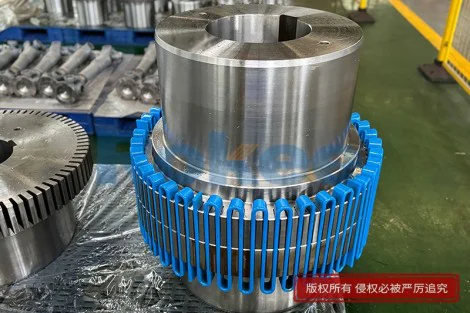
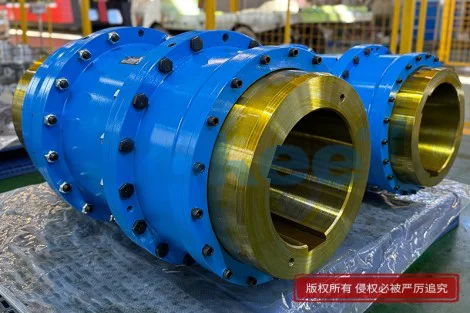
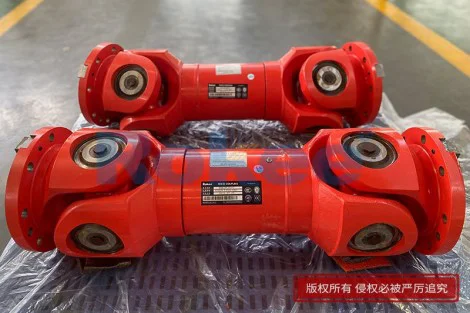
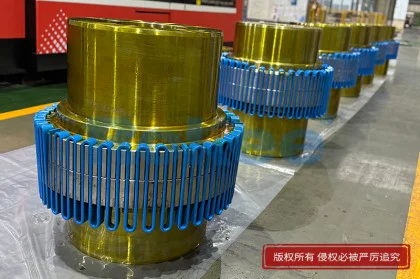
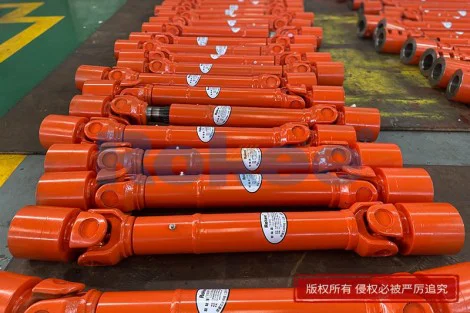
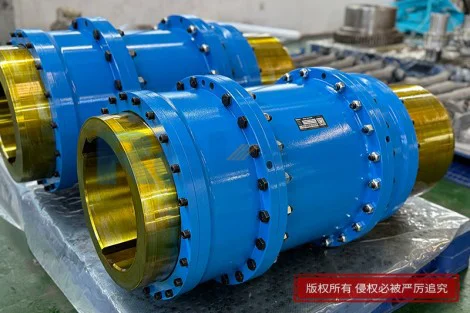
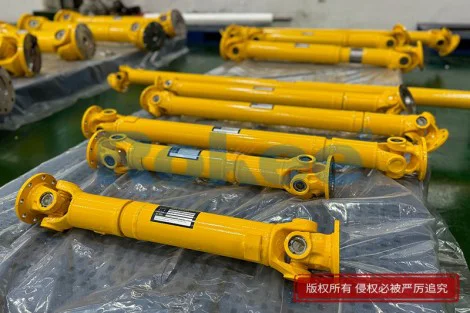
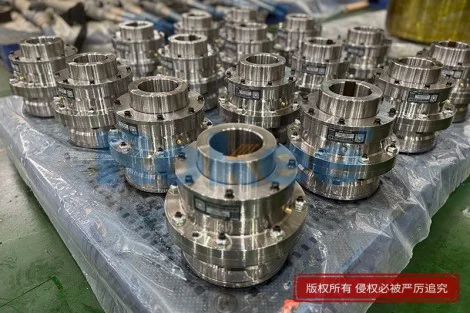
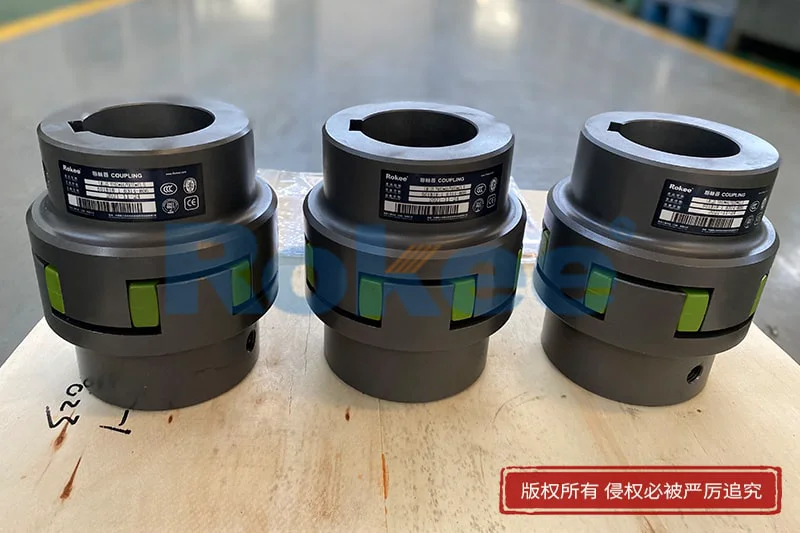
The selection type matching and specific application adaptation of flexible couplings are the core key links of the entire PU sandwich panel production line adaptation scheme, and the selection and configuration must be carried out according to the differentiated operating conditions and transmission characteristics of different transmission nodes of the production line, without unified blind selection and matching. Different transmission positions of the PU sandwich panel production line have obvious differences in torque demand, operating speed, displacement deviation range, vibration intensity and start-stop frequency, so flexible couplings with different structural types and material characteristics need to be selected to achieve the best adaptation effect. For the main power transmission connection position of the uncoiling feeding and roll forming units, which bear medium and low torque, frequent speed regulation and certain cyclic alternating load, flexible couplings with good elastic buffering performance and small installation space demand should be selected. This type of coupling can effectively buffer the torque impact generated during speed regulation and operation, compensate for small radial and angular displacement deviation, reduce vibration during the operation of the roll forming unit, and ensure the stable tension transmission of the metal surface layer and the stability of the forming process. For the key transmission connection part of the double-belt laminating curing unit with large transmission torque, long-term continuous uninterrupted operation and high synchronization accuracy requirements, it is necessary to select flexible couplings with high torque bearing capacity, good displacement compensation performance and strong fatigue resistance. This part of the transmission system needs to maintain constant speed and constant torque operation for a long time, and the working environment has certain temperature rise. The selected flexible coupling needs to have stable structural performance under long-term high-load and certain temperature conditions, not easy to deform and age, can accurately compensate for the axial and radial displacement deviation caused by long-term thermal expansion and mechanical wear, ensure the synchronous and stable operation of the upper and lower double belts, and make the polyurethane foam fully cured and evenly bonded, so as to ensure the consistent bonding quality and structural strength of the sandwich panel core material and surface layer. For the transmission connection position of the fixed-length cutting and finished product stacking units with frequent start-stop actions, instantaneous torque impact and high positioning accuracy requirements, flexible couplings with excellent vibration damping and impact resistance and sensitive transmission response should be selected. These units need to complete frequent start-stop and rapid positioning actions in the production process, and instantaneous mechanical impact and torque fluctuation are easy to generate in the transmission process. The matched flexible coupling can quickly absorb the instantaneous impact force, avoid positioning deviation and transmission component damage caused by impact, ensure the accurate cutting size of the sandwich panel and the stable operation of the stacking process.
In the actual implementation process of the adaptation scheme, the installation and debugging adaptation of flexible couplings and the overall running-in optimization of the production line are crucial to ensure the final adaptation effect and long-term stable operation. After completing the selection and model matching of flexible couplings for each key transmission node, the standardized installation construction must be carried out in strict accordance with the installation process specifications of transmission connecting components. Before installation, the surface of the connecting shaft head and the inner hole of the flexible coupling need to be cleaned and inspected to ensure that there is no impurity, wear and deformation on the matching surface, so as to avoid installation matching clearance and abnormal wear after operation. During the installation process, the coaxiality of the driving shaft and the driven shaft must be accurately calibrated again, the installation position of the flexible coupling should be reasonably adjusted, the fastening connecting parts should be locked evenly and firmly, and the installation pretightening force should be controlled within a reasonable range to avoid installation failure caused by excessive or insufficient fastening force. After the installation of all flexible couplings is completed, the no-load test run and graded load test run of the entire PU sandwich panel production line should be carried out step by step. In the no-load test run stage, check whether there is abnormal vibration, noise and jamming in each transmission part, observe the operating state of each flexible coupling, confirm that the displacement compensation and rotation operation are smooth without abnormal friction and impact; in the graded load test run stage, gradually increase the production load and operating speed of the production line, simulate the actual production operating conditions of different panel specifications, monitor the torque transmission state, vibration amplitude and displacement compensation effect of each key transmission node, and fine-tune the installation position and fastening state of individual flexible couplings with abnormal operation to ensure that all transmission parts reach the optimal matching operating state. After the test run is qualified, the overall running-in operation of the production line should be carried out for a certain period of time, so that all transmission components and flexible couplings can adapt to the actual operating load and running rhythm, eliminate the installation stress and initial running-in wear of components, and ensure the long-term stable and reliable operation of the adapted production line.
The long-term operation effect and practical application feedback after the adaptation transformation fully prove that the coordinated implementation of the overall adaptation optimization of the PU sandwich panel production line and the scientific matching application of flexible couplings can effectively solve various mechanical operation and product quality problems caused by unreasonable transmission connection and poor equipment matching in the original production line. After the adaptation transformation, the vibration and mechanical impact of each transmission node of the production line are significantly reduced, the wear and failure rate of key transmission components are effectively controlled, the shutdown maintenance frequency caused by transmission system failure is greatly reduced, and the continuous and stable production capacity of the production line is significantly improved. At the same time, due to the stable synchronous operation of each processing unit of the production line, the processing dimensional accuracy of PU sandwich panel products, the uniformity of polyurethane foaming and the bonding firmness between core material and surface layer are effectively guaranteed, the product quality stability and qualification rate are significantly improved, and the unnecessary material waste and product rework loss in the production process are reduced. In addition, the application of flexible couplings reduces the fatigue load and damage degree of the main mechanical equipment of the production line, effectively extends the overall service life of the production line equipment and transmission components, reduces the long-term equipment operation and maintenance costs, and brings good comprehensive operational benefits for the actual production and processing. With the continuous upgrading of the performance requirements of PU sandwich panels in the construction industry and the continuous diversification of product production specifications, the production and processing requirements for the PU sandwich panel production line will become higher and higher. Continuously optimizing the production line adaptation scheme, dynamically adjusting the matching type and application mode of flexible couplings according to the actual production demand and equipment operation state, and maintaining the long-term optimal operating state of the production line transmission system will be an important technical guarantee for PU sandwich panel production enterprises to realize efficient production, stable quality and cost control. The combination of production line overall adaptation optimization and flexible coupling scientific application not only solves the practical pain points of traditional production line operation, but also provides a reliable technical path for the intelligent, efficient and stable long-term operation of PU sandwich panel continuous production equipment.