Adaptation Of PU Sandwich Panel Machine And Cardan Driveshaft Reduces Production Costs

In the dynamic landscape of modern manufacturing, especially within the building materials sector, the pursuit of cost efficiency has become a core objective for enterprises seeking to maintain competitiveness amid fluctuating market demands and rising operational expenses. Polyurethane (PU) sandwich panels, celebrated for their exceptional thermal insulation, structural strength, and lightweight properties, have become indispensable in a wide range of applications, including industrial warehouses, cold storage facilities, commercial buildings, and agricultural constructions. The production of these high-performance panels relies heavily on specialized machinery, with the PU sandwich panel machine and cardan driveshaft serving as critical components that directly influence production efficiency, product quality, and overall operational costs. Through strategic adaptation and optimization of these two key elements, manufacturers can achieve significant cost reductions without compromising on product standards, unlocking new opportunities for sustainable growth and profitability.
The PU sandwich panel machine is a complex integrated system that encompasses multiple interconnected processes, from the uncoiling and preheating of facing materials to the mixing and pouring of PU foam, lamination, cooling, and final cutting. Traditional PU sandwich panel machines often suffer from inherent limitations that hinder cost efficiency, such as rigid designs that are difficult to adjust for different product specifications, excessive energy consumption, and high rates of material waste. These inefficiencies not only increase operational costs but also limit the flexibility of manufacturers to adapt to changing market needs, such as varying panel thicknesses, widths, or facing materials. Similarly, the cardan driveshaft, also known as the universal joint shaft, plays a pivotal role in transmitting rotational power between different components of the production line. As a critical part of the transmission system, it must ensure stable and precise power transfer even when the driving and driven shafts are not perfectly aligned, a common scenario in complex manufacturing setups. However, conventional cardan driveshafts may lack the adaptability to cope with the varying load demands of PU sandwich panel production, leading to excessive wear, frequent maintenance, and unplanned downtime—all of which contribute to higher production costs.
The adaptation of PU sandwich panel machines focuses on enhancing flexibility, reducing energy consumption, and minimizing material waste, all of which directly translate to cost savings. One key area of adaptation is the integration of modular design principles into the machine’s structure. Unlike traditional integrated machines that require extensive modifications or even complete replacement when adjusting to new product specifications, modular PU sandwich panel machines decompose the production process into independent functional units, each designed as a standardized module with uniform interfaces and connection methods. This allows manufacturers to easily add, remove, or reconfigure modules to accommodate different panel sizes, core materials, or production capacities without disrupting the entire production line. For example, if a manufacturer needs to switch from producing thin wall panels to thicker roofing panels, they can simply adjust the lamination and cutting modules rather than investing in a new machine. This modular adaptation not only reduces the capital expenditure associated with equipment replacement but also minimizes downtime during reconfiguration, as modules can be swapped or adjusted quickly and efficiently.
Another critical adaptation of PU sandwich panel machine is the optimization of energy consumption, a major contributor to operational costs in panel production. Traditional machines often use inefficient heating and cooling systems that consume excessive energy, particularly during the PU foam curing process, which requires precise temperature control. Through the integration of advanced temperature control technologies, such as servo-driven heating elements and energy-efficient insulation materials, adapted machines can maintain optimal curing temperatures while reducing energy usage by a significant margin. Additionally, the implementation of smart control systems allows for real-time monitoring and adjustment of energy consumption based on production demand. For instance, during periods of low production volume, the machine can automatically reduce energy output to match the reduced load, preventing unnecessary energy waste. These energy-saving adaptations not only lower utility bills but also align with global sustainability goals, providing manufacturers with additional long-term benefits beyond cost reduction.
Material waste reduction is another key focus of PU sandwich panel machine adaptation, as raw material costs constitute a substantial portion of the total production expenses. Traditional machines often produce excessive waste due to imprecise material mixing, inaccurate cutting, or inefficient lamination processes. Adapted machines address this issue through the integration of precision control systems and advanced mixing technologies. For example, high-pressure foaming units with servo metering pumps ensure accurate mixing of polyols and isocyanates, the key components of PU foam, with a flow accuracy that minimizes over-pouring or under-pouring of materials. This not only reduces waste but also ensures consistent foam density and bonding strength, improving product quality and reducing the need for rework. Additionally, advanced cutting systems with laser correction and precision guiding mechanisms ensure that panels are cut to exact dimensions, eliminating offcuts and reducing material loss. By minimizing material waste, manufacturers can significantly reduce their raw material procurement costs, directly improving their bottom line.
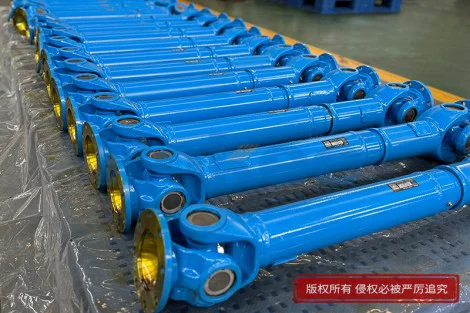
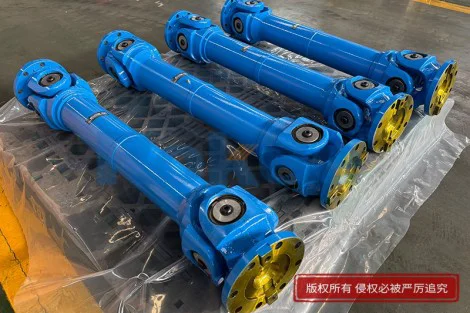
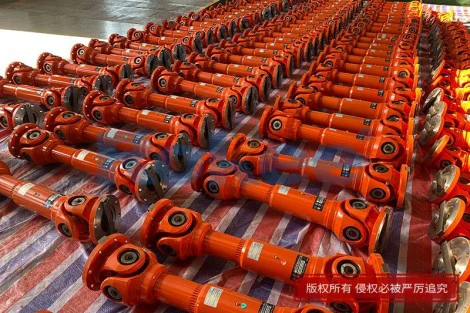
Complementing the adaptation of PU sandwich panel machines, the optimization of cardan driveshafts plays an equally important role in reducing production costs. The cardan driveshaft is responsible for transmitting rotational power from the motor to various components of the production line, such as the uncoiling system, roll forming unit, and cutting mechanism. In traditional setups, cardan driveshafts are often designed for specific load conditions, making them inflexible when production demands change. This inflexibility can lead to excessive wear and tear, as the driveshaft is forced to operate outside its optimal range, resulting in frequent breakdowns and maintenance requirements. The adaptation of cardan driveshafts involves modifying their design to enhance durability, flexibility, and efficiency, ensuring they can cope with the varying load demands of PU sandwich panel production.
One key adaptation of cardan driveshafts is the use of advanced materials and manufacturing techniques to improve durability and reduce maintenance needs. Traditional driveshafts are often made of standard steel, which can wear quickly under the high torque and continuous operation required in PU sandwich panel production. Adapted driveshafts use high-strength, wear-resistant materials, such as reinforced alloys or composite materials, which can withstand higher loads and reduce friction, extending the component’s service life. Additionally, precision manufacturing processes, such as computer numerical control (CNC) machining and heat treatment, ensure that the driveshaft’s components fit together seamlessly, reducing vibration and minimizing wear. This reduction in wear and tear translates to fewer maintenance interventions, lower replacement costs, and less unplanned downtime, all of which contribute to significant cost savings.
Another important adaptation of cardan driveshafts is the optimization of their design to accommodate angular misalignment and axial displacement, common challenges in PU sandwich panel production lines. Due to the complex layout of the production process, the driving and driven shafts of different components are often not perfectly aligned, leading to increased stress on the driveshaft and reduced transmission efficiency. Adapted cardan driveshafts feature enhanced universal joint designs that can compensate for larger angular misalignments—often up to 25 degrees—and axial displacements through splined connections, ensuring smooth and efficient power transmission even under less-than-ideal conditions. This reduces the stress on the driveshaft and other connected components, minimizing the risk of breakdowns and extending the overall lifespan of the production line. Additionally, the improved transmission efficiency of adapted cardan driveshafts reduces power loss, allowing the production line to operate more efficiently with lower energy consumption.
The synergy between adapted PU sandwich panel machines and cardan driveshafts creates a more efficient, reliable, and cost-effective production system. For example, the modular design of the adapted machine allows for quick reconfiguration, while the flexible and durable cardan driveshaft ensures that power is transmitted smoothly during these transitions, minimizing downtime. Similarly, the energy-saving features of the adapted machine are complemented by the improved transmission efficiency of the driveshaft, further reducing energy costs. This synergy not only reduces direct operational costs but also indirect costs associated with maintenance, rework, and downtime, creating a comprehensive cost-reduction effect that benefits the entire production process.
To fully realize the cost-saving potential of these adaptations, manufacturers must adopt a systematic approach that includes thorough analysis of their existing production processes, identification of inefficiencies, and targeted adaptation of both the PU sandwich panel machine and cardan driveshaft. This process begins with a detailed assessment of current production costs, including energy usage, material waste, maintenance expenses, and downtime. Based on this assessment, manufacturers can identify specific areas where adaptations will yield the greatest cost savings. For example, if material waste is a major issue, focusing on precision mixing and cutting adaptations for the PU sandwich panel machine will be a priority. If maintenance costs are excessive, optimizing the cardan driveshaft’s durability and reducing wear will be the key focus.
Implementation of these adaptations also requires careful planning and training to ensure that operators are able to effectively use the modified equipment. While adapted machines and driveshafts are designed to be more user-friendly and reliable, proper training ensures that operators can maximize their efficiency, minimize errors, and quickly address any minor issues that may arise. This training not only improves the performance of the production line but also reduces the risk of operator-induced errors that can lead to increased costs, such as material waste or equipment damage.
The long-term benefits of adapting PU sandwich panel machines and cardan driveshafts extend beyond immediate cost reduction. By creating a more flexible and efficient production system, manufacturers are better able to adapt to changing market demands, such as the growing need for customized panels or sustainable building materials. This flexibility allows manufacturers to expand their product offerings, enter new markets, and gain a competitive edge over rivals who rely on outdated, inefficient equipment. Additionally, the reduced energy consumption and material waste associated with these adaptations contribute to a more sustainable production process, which is increasingly important to consumers, regulators, and other stakeholders. This sustainability focus can enhance a manufacturer’s brand reputation and open up new business opportunities with environmentally conscious clients.
Real-world examples further demonstrate the effectiveness of these adaptations in reducing production costs. For instance, a manufacturer of PU sandwich panels implemented modular adaptations to their production machine, allowing them to switch between different panel specifications in a fraction of the time required with their traditional machine. This reduced downtime by 40% and eliminated the need for a second machine to handle different product types, resulting in significant capital savings. Additionally, by optimizing their cardan driveshafts with high-strength materials and improved universal joint designs, they reduced maintenance costs by 30% and extended the driveshaft’s service life by 50%, further reducing replacement expenses. Combined, these adaptations led to an overall reduction in production costs of 25%, significantly improving the manufacturer’s profitability and competitiveness.
Another example involves a manufacturer that focused on energy-saving adaptations for their PU sandwich panel machine and cardan driveshafts. By integrating advanced temperature control systems and energy-efficient insulation into the machine, they reduced energy consumption by 20%. Simultaneously, optimizing the cardan driveshafts to reduce power loss improved transmission efficiency by 15%, further lowering energy costs. These energy savings, combined with reduced material waste from precision mixing and cutting adaptations, resulted in a 18% reduction in total production costs. Additionally, the manufacturer was able to market their more sustainable production process, attracting new clients and increasing market share.
In conclusion, the adaptation of PU sandwich panel machines and cardan driveshafts represents a strategic approach to reducing production costs in the manufacturing of PU sandwich panels. By focusing on modular design, energy efficiency, and material waste reduction in the machine, and enhancing durability, flexibility, and transmission efficiency in the driveshaft, manufacturers can achieve significant cost savings while improving product quality and operational reliability. The synergy between these two adapted components creates a more efficient, flexible, and sustainable production system that not only reduces immediate operational costs but also positions manufacturers for long-term success in a competitive market. As the demand for PU sandwich panels continues to grow, and as market pressures for cost efficiency and sustainability intensify, the adaptation of these critical production components will become increasingly essential for manufacturers seeking to thrive in the industry. By investing in these adaptations, manufacturers can unlock new levels of efficiency, profitability, and competitiveness, ensuring their continued growth and success in the years to come.